Automotive · In Depth
Ferrari Luce: Would Enzo Have Approved? Who Cares?
Ferrari’s first electric car has upset the faithful, and Enzo Ferrari is once again summoned to judge it. The old man was never that consistent himself.
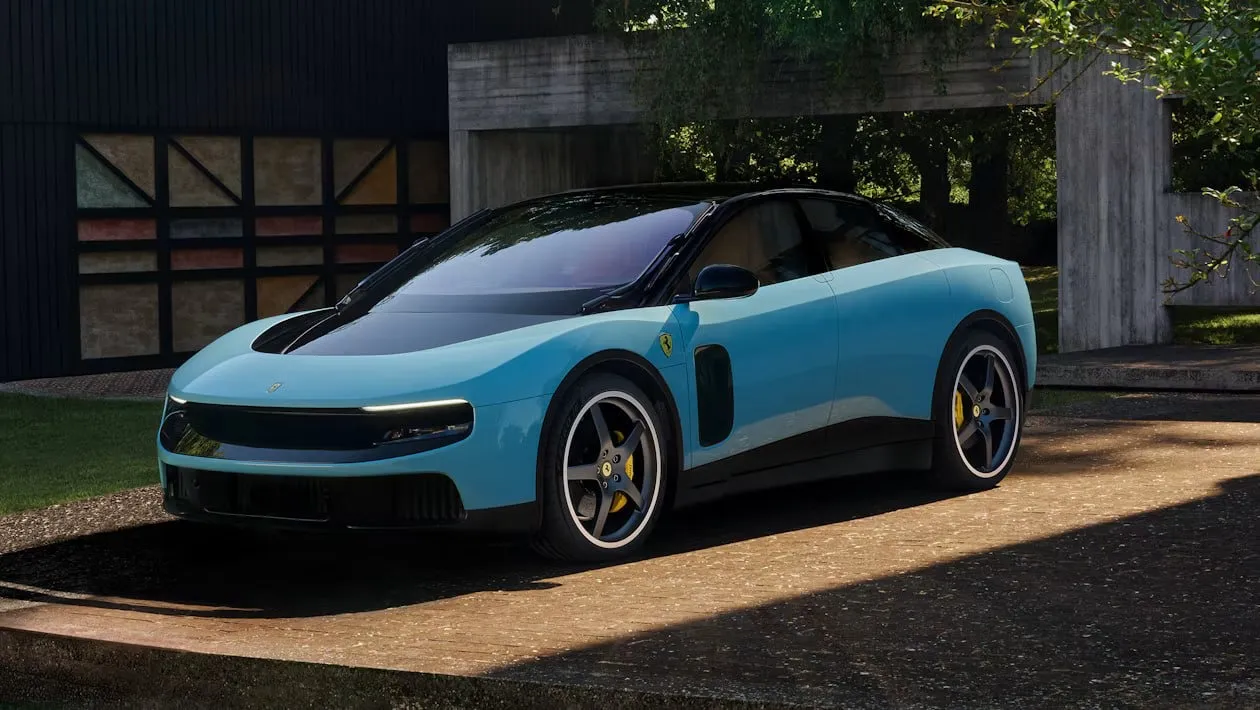
Ferrari’s first electric car has upset the faithful. Its styling is controversial, its engine conspicuously absent, and Enzo Ferrari is once again being summoned from the grave to adjudicate a product launch. It is worth remembering that the old man wasn’t particularly consistent about what constituted a proper Ferrari himself.
Frank Stephenson doesn’t like the Ferrari Luce. The former Ferrari and McLaren designer has called it a well-executed mistake, and he is hardly alone. Much of the criticism concerns the styling, developed with Jony Ive and Marc Newson’s LoveFrom. The Luce looks unlike anything Ferrari has previously made, which is precisely what its designers appear to have intended.
Disliking the result is fair enough. Stephenson has designed some beautiful cars and knows considerably more about automotive design than most of us. His opinion deserves attention.
More curious is the suggestion, repeated with considerable indignation, that Ferrari has somehow betrayed its heritage by building an electric car. The absence of a V8 or V12 apparently disqualifies the Luce from being a proper Ferrari. Inevitably, Enzo Ferrari is invoked as the ultimate authority. He would never have allowed it, we are told.
We hear this rather often whenever Ferrari does something unfamiliar. It is an odd way to judge a company that has been operating without its founder since 1988.
The business of going racing
Enzo Ferrari wanted to race cars. Selling them to wealthy customers was, initially, a means of paying for that ambition. His Scuderia was established in 1929, and the first Ferrari, the 125 S of 1947, was a competition car powered by a Colombo-designed V12.
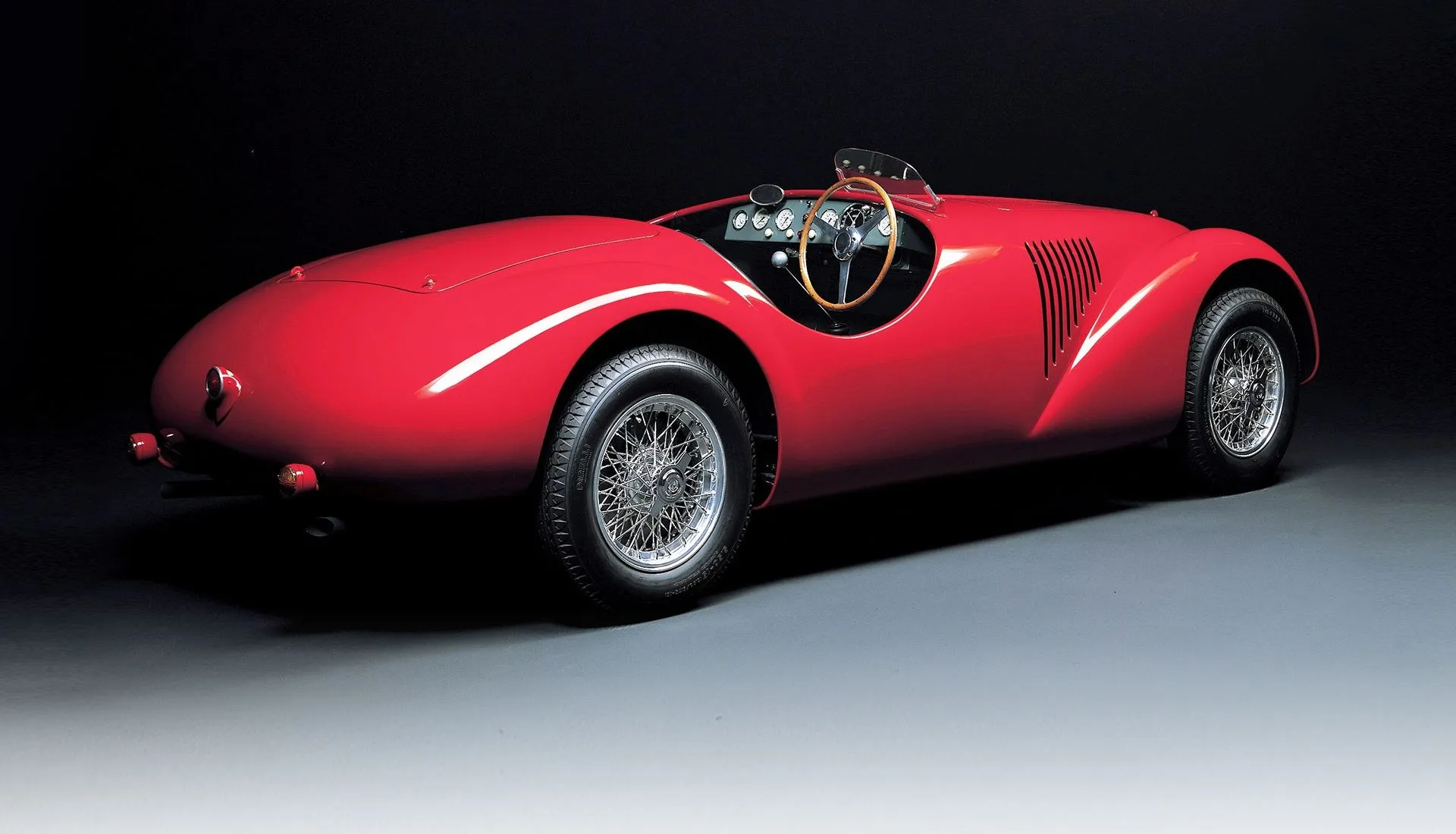
The famous remark about paying for the engine and receiving the rest of the car for free neatly captures the philosophy, although its precise provenance is uncertain. Ferrari’s engines were central to its reputation, and the V12 in particular became inseparable from the marque.
That much is familiar history. Less often acknowledged is how readily Ferrari adapted its road cars to the requirements of customers who had little interest in behaving like racing drivers.
The 250 GTE brought four-seat accommodation to series production in 1960. The 365 GT4 2+2, introduced twelve years later, was a large, restrained grand tourer intended to cover considerable distances in comfort. Its successor, the 400, could be ordered with a three-speed automatic transmission supplied by General Motors.
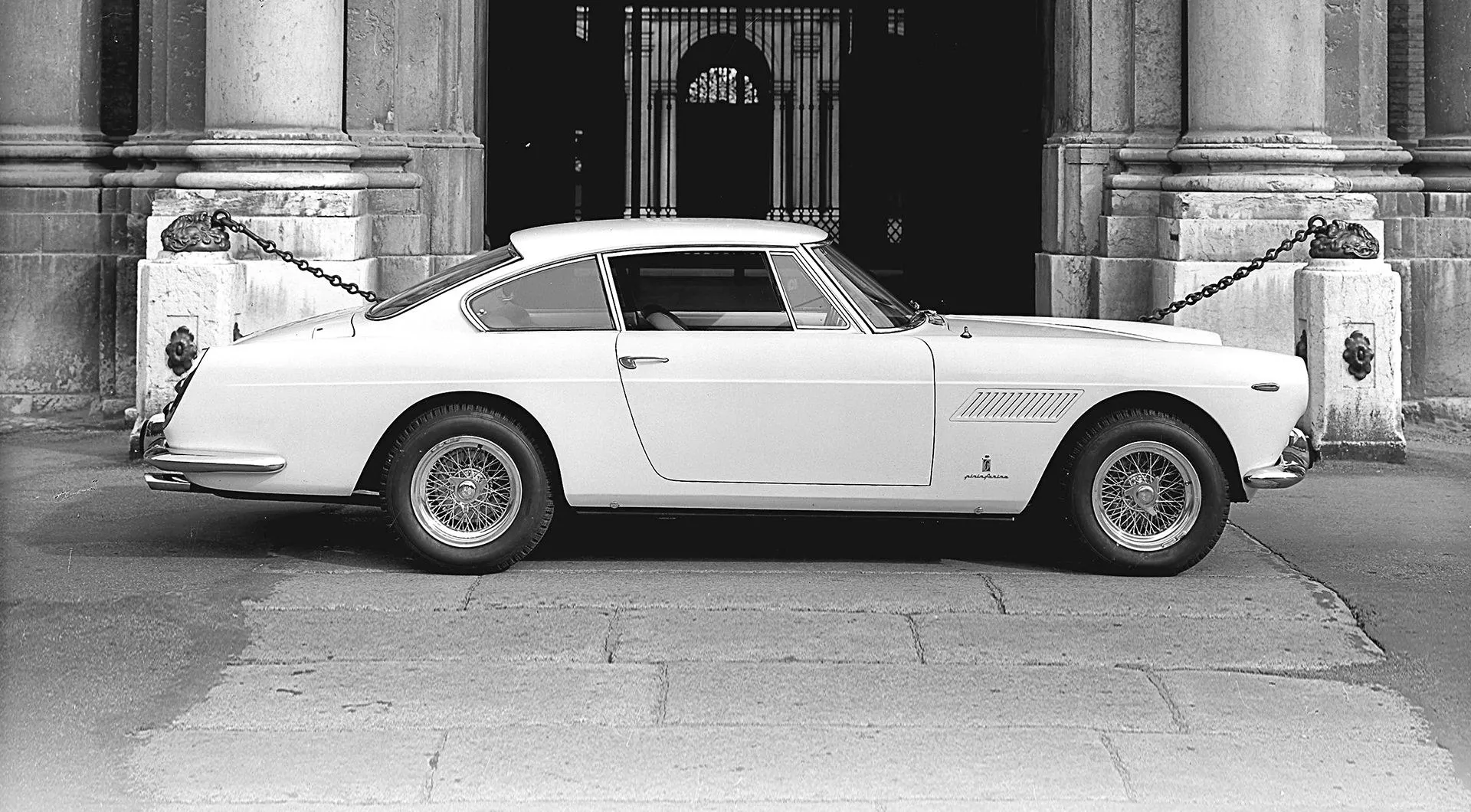
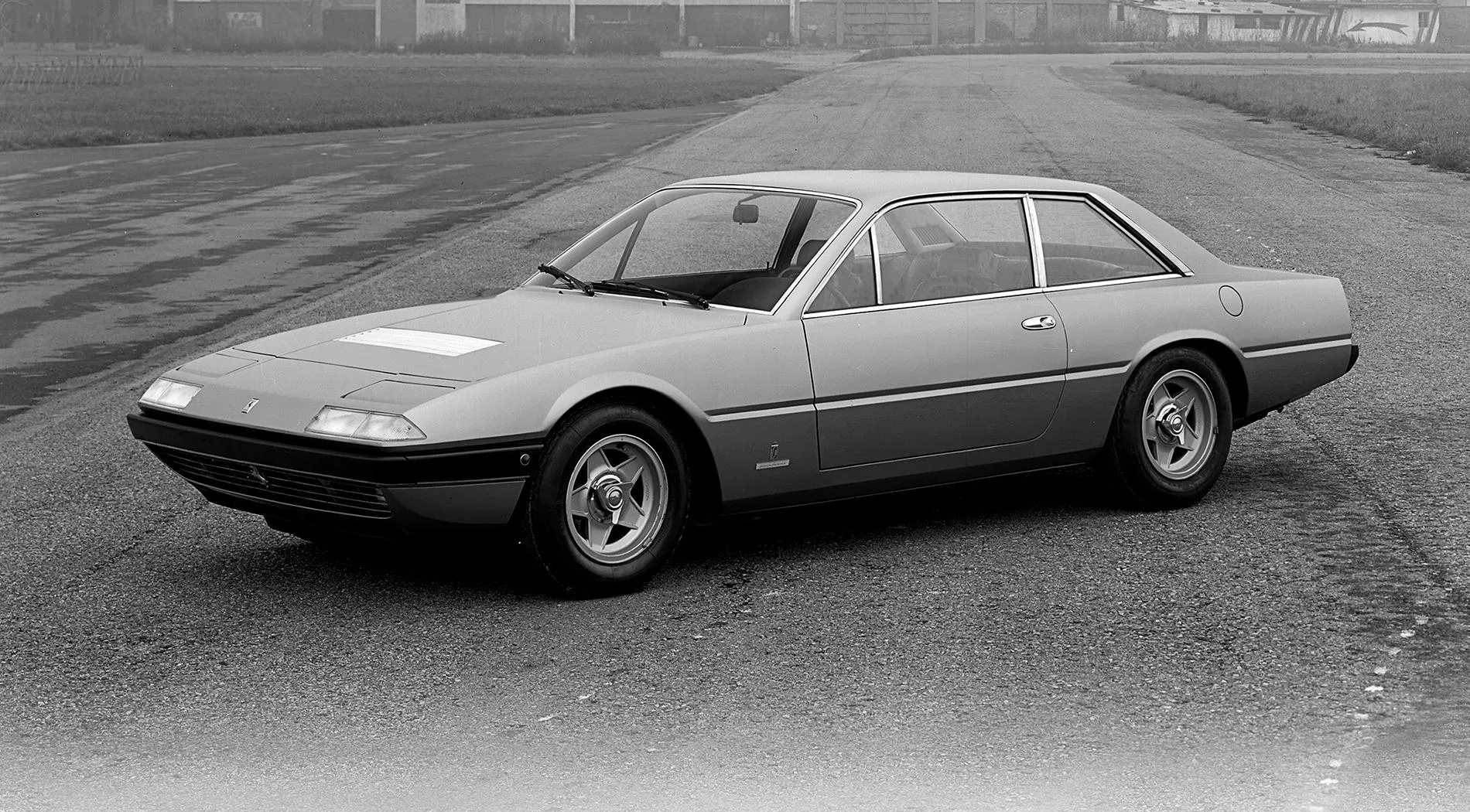
This was in 1976, with Enzo still very much alive.
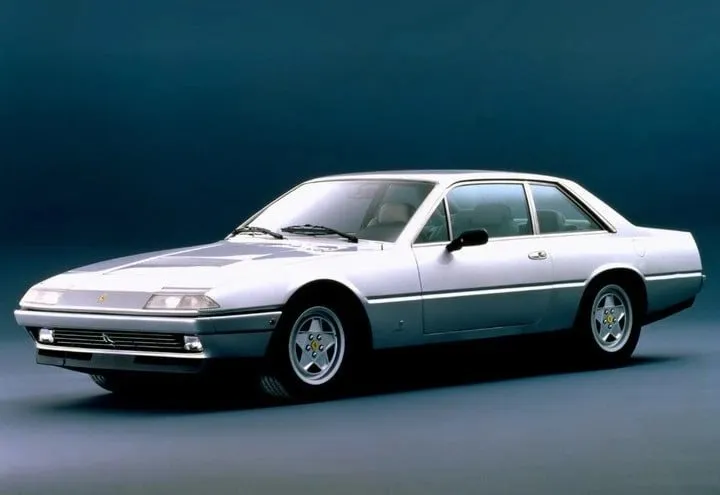
The combination makes an entertaining contrast with today’s rather solemn pronouncements about Ferrari’s mechanical purity. An American automatic was hardly the obvious accompaniment to a Maranello V12, yet the arrangement evidently suited the intended customer. The 400 and its successors remained in production for years.
Ferrari also proved willing to reconsider its preferred engine configuration. The Dino established the viability of smaller-engined sports cars, and V8s eventually became a defining part of the Ferrari range.
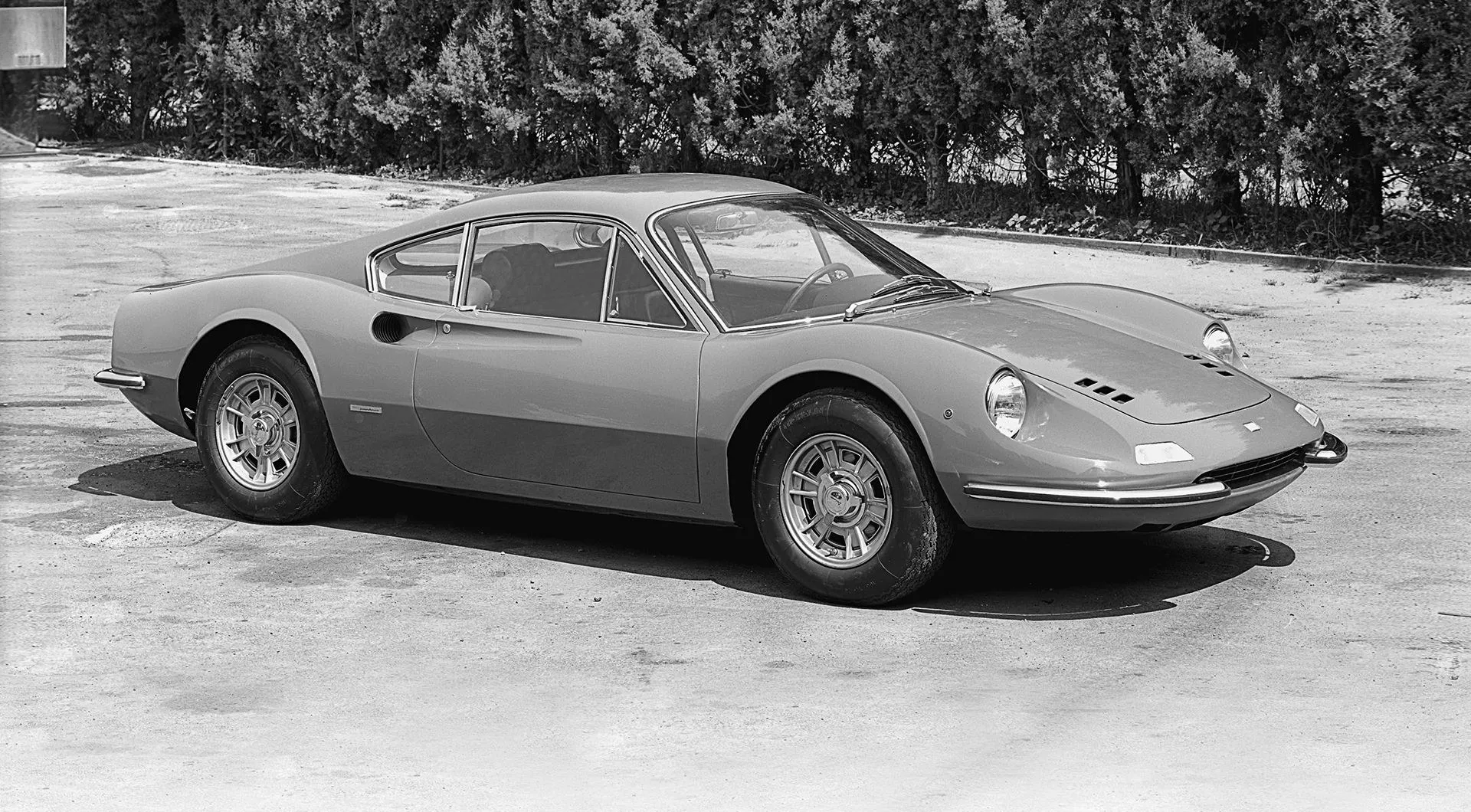
None of these decisions appears to have destroyed the company. Several helped establish categories in which Ferrari remains active today.
The notion of a single, immutable Ferrari philosophy is difficult to reconcile with the cars produced while Enzo was running the place.
Enzo’s last Ferrari
The F40, introduced in 1987, enjoys a particular status because it was the last Ferrari unveiled in Enzo’s presence before his death the following year.
It deserves much of its reputation. A lightweight, brutally fast road car, it dispensed with almost everything that might dilute the driving experience. Its twin-turbocharged V8 produced approximately 478 horsepower, delivered without the intervention of modern traction or stability systems. There was no ABS or power steering either.
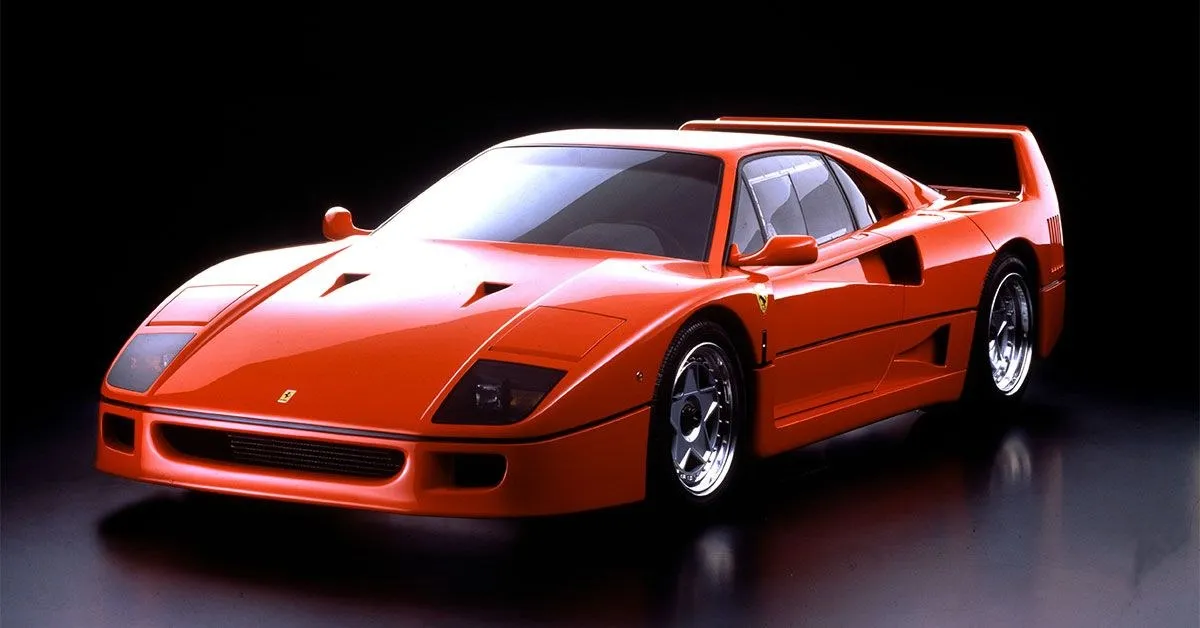
Few cars have made such a convincing case for concentrating engineering effort on performance at the expense of comfort.
Calling it the last real Ferrari, however, is more problematic.
For one thing, the F40 had a turbocharged V8. Anyone who regards the naturally aspirated V12 as an essential ingredient of Ferrari authenticity must make an exception for what is supposedly the ultimate expression of the marque.
Nor was the F40 representative of everything Enzo had built. The 400 Automatic was also his Ferrari, as were numerous comfortable grand tourers with rather different priorities.
The F40 represented one end of Ferrari’s range, taken to an extraordinary extreme. Its excellence doesn’t invalidate the rest of the catalogue.
There is also something peculiar about treating a founder’s final decisions as permanently authoritative. An engineer’s or entrepreneur’s judgement is valuable because of the results it produces, not because it belongs to a celebrated name.
Enzo was an extraordinary businessman and a formidable personality, although his reputation has acquired the usual embellishments reserved for successful founders. It is worth separating what he actually achieved from the mythology subsequently constructed around him.
Rolex provides an interesting comparison.
Hans Wilsdorf built the company around accurate, dependable wristwatches at a time when the wristwatch was still establishing itself. He recognised the commercial possibilities of water resistance and automatic winding, and understood how technical achievement could be communicated to customers. His promotion of the Oyster following Mercedes Gleitze’s Channel swim in 1927 remains a remarkably sophisticated piece of marketing.
Modern Rolex owes an enormous amount to Wilsdorf. It also owes its position to decades of subsequent manufacturing development, product decisions, distribution and the meanings customers have attached to its watches.
Nobody seriously expects Rolex to limit itself to products Wilsdorf might have approved during his lifetime. The company invokes his legacy, certainly, but his imagined reaction to every new model is seldom treated as a veto.
Ferrari enthusiasts might usefully extend Enzo the same courtesy.
Making performance accessible
Another objection occasionally directed at modern Ferraris is that they have become too easy to drive.
There is something to this. The F40 demands care, concentration and considerable skill from anyone approaching its limits. An SF90 Stradale is enormously more powerful, yet its electronic systems allow a competent driver to exploit performance that would once have required exceptional ability.
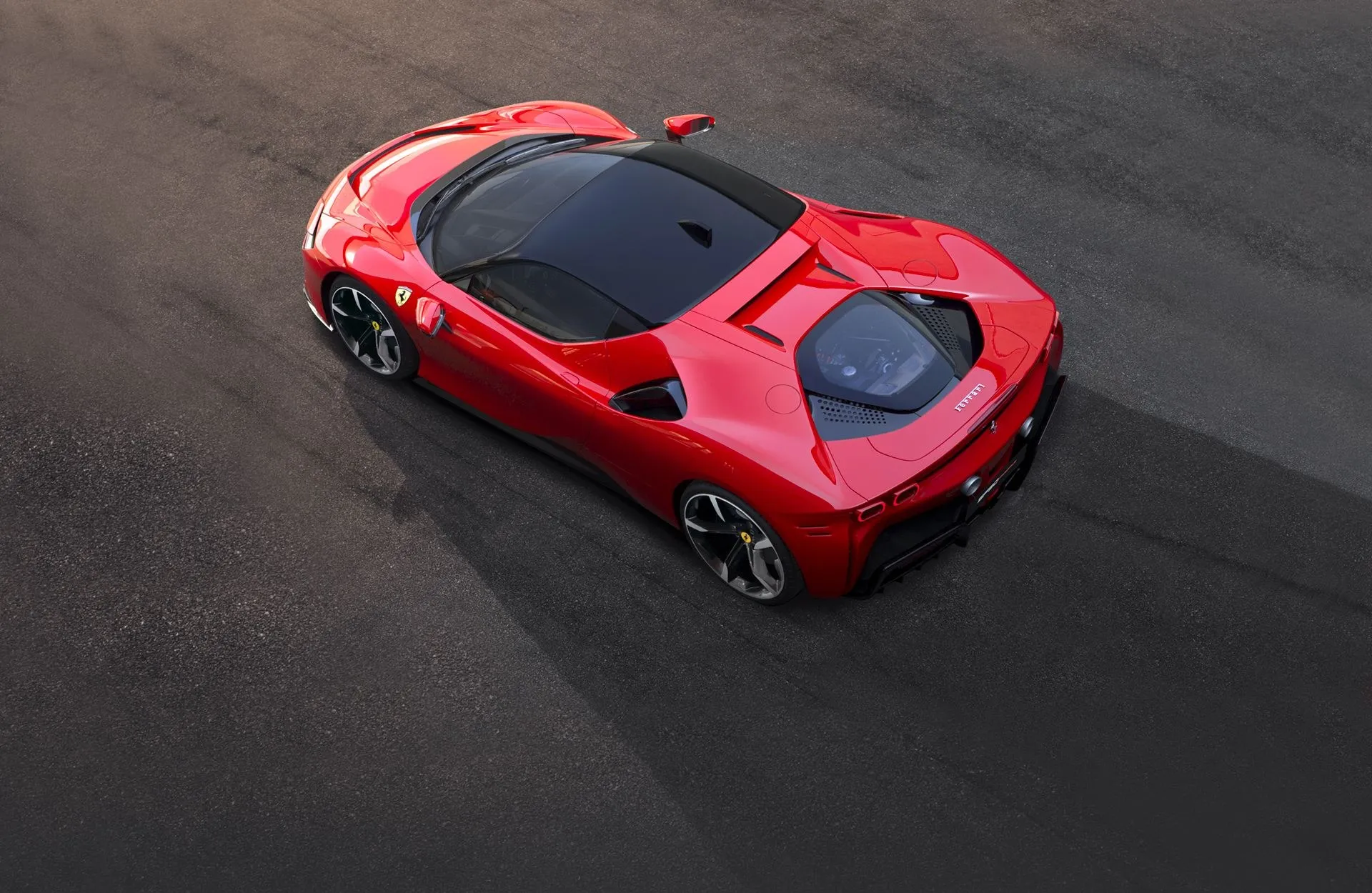
The distinction matters to the driving experience. An F40 offers sensations that cannot be reproduced simply by increasing horsepower or improving lap times.
Still, Ferrari has spent decades developing ways to make its cars faster, more effective and easier to control. Better suspension, tyres, aerodynamics and electronic systems are all part of that progress.
Some enthusiasts prefer cars that require more effort. Others enjoy exploiting sophisticated machinery to achieve extraordinary results. The two experiences appeal for different reasons, and Ferrari has built excellent examples of both.
One can admire the F40 without wishing that Ferrari had stopped developing cars in 1987.
The same applies to comfort and practicality.
The FF of 2011 combined a V12 with four-wheel drive, four seats and a large rear hatch. It was an unusually practical Ferrari, and a rather appealing one. The Purosangue subsequently added four proper doors, a higher body and a more accommodating interior.
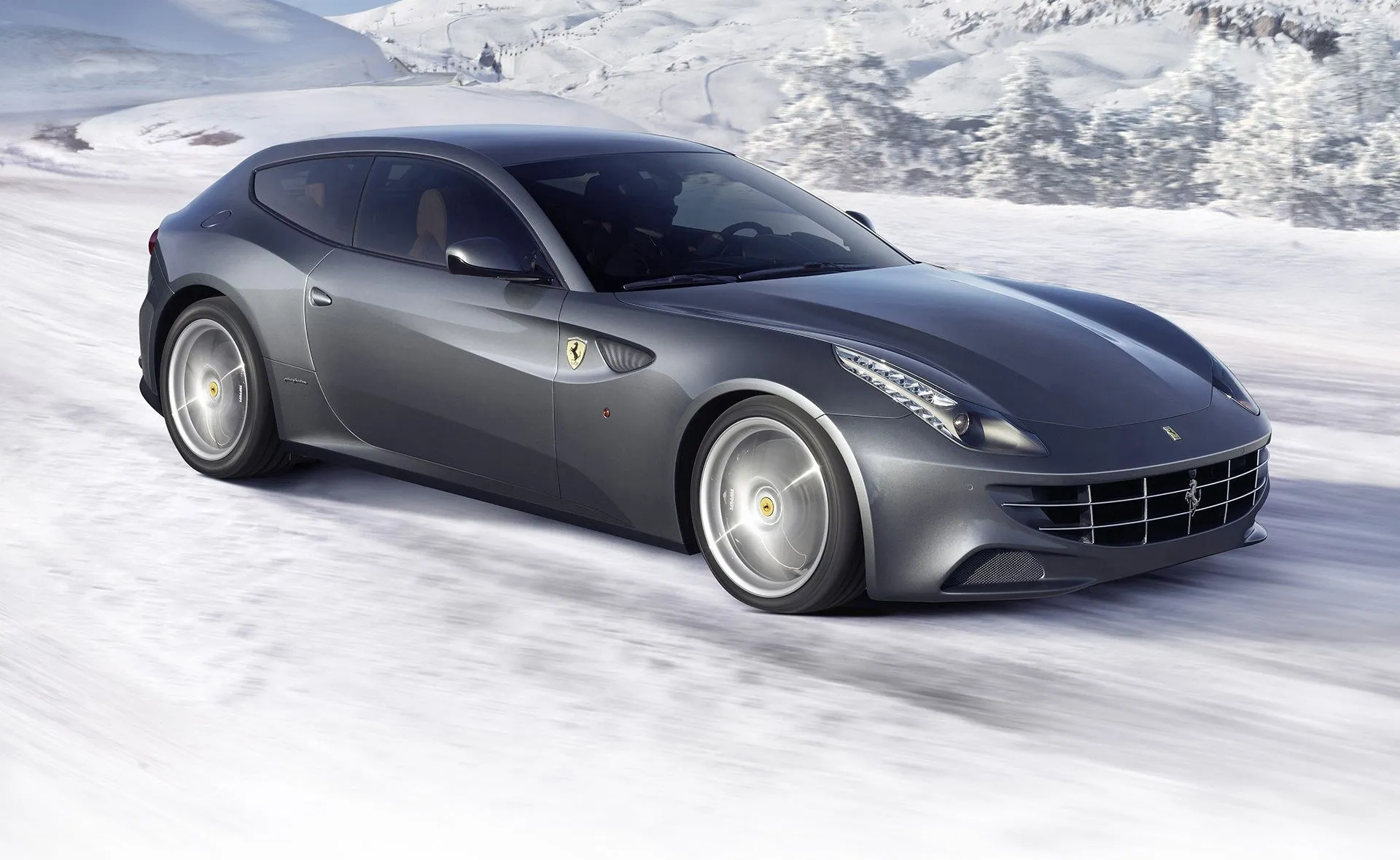
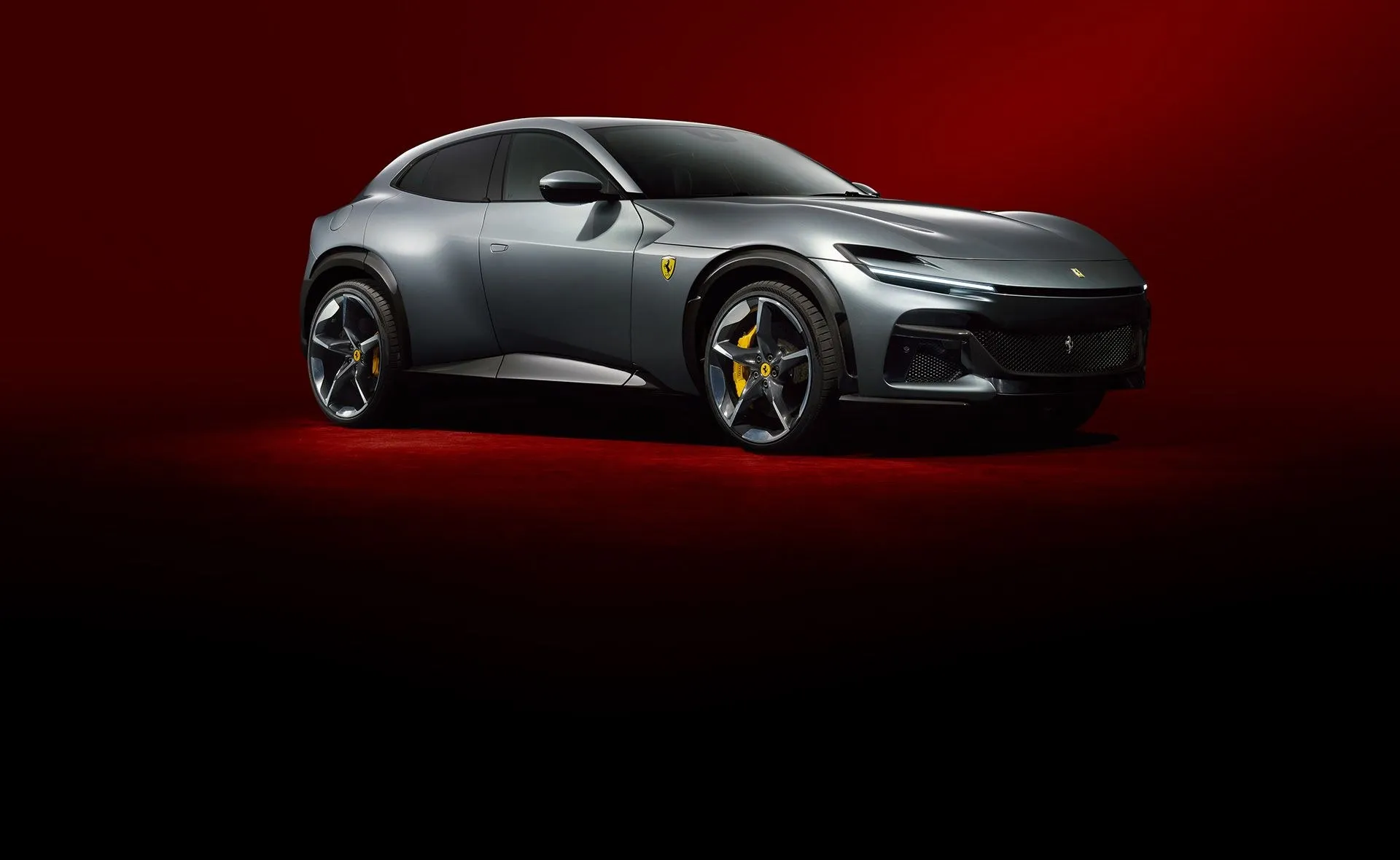
Ferrari is understandably reluctant to describe the Purosangue as an SUV. Its styling and engineering also distinguish it from the usual examples of the breed.
But in purpose, is it really so far removed from the old 400?
Both offer Ferrari performance and a V12 in a car suitable for carrying passengers over long distances. The Purosangue does so with vastly greater capability, sophistication and versatility. Its underlying appeal would nevertheless have been familiar to a customer visiting Maranello fifty years ago.
Apparently, making a Ferrari convenient to use is an acceptable idea after all.
An electric Ferrari
The Luce introduces a more substantial departure. Ferrari has dispensed with the internal combustion engine altogether.
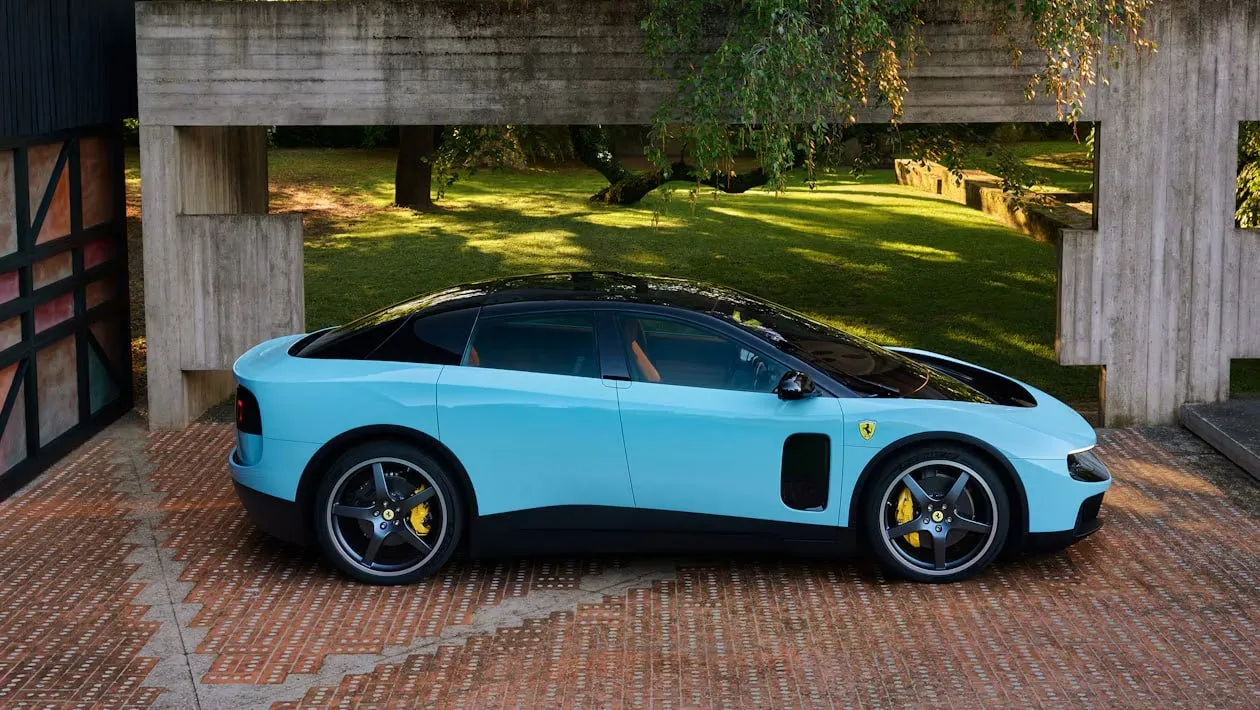
For a manufacturer whose identity has long been bound to the sound and behaviour of its engines, this is a significant change. It is also a development for which Ferrari has been preparing for some time.
Formula One has used hybrid power units since 2014. Ferrari’s own LaFerrari incorporated electric assistance in 2013, while the SF90 Stradale subsequently brought plug-in hybrid technology to the regular model range.
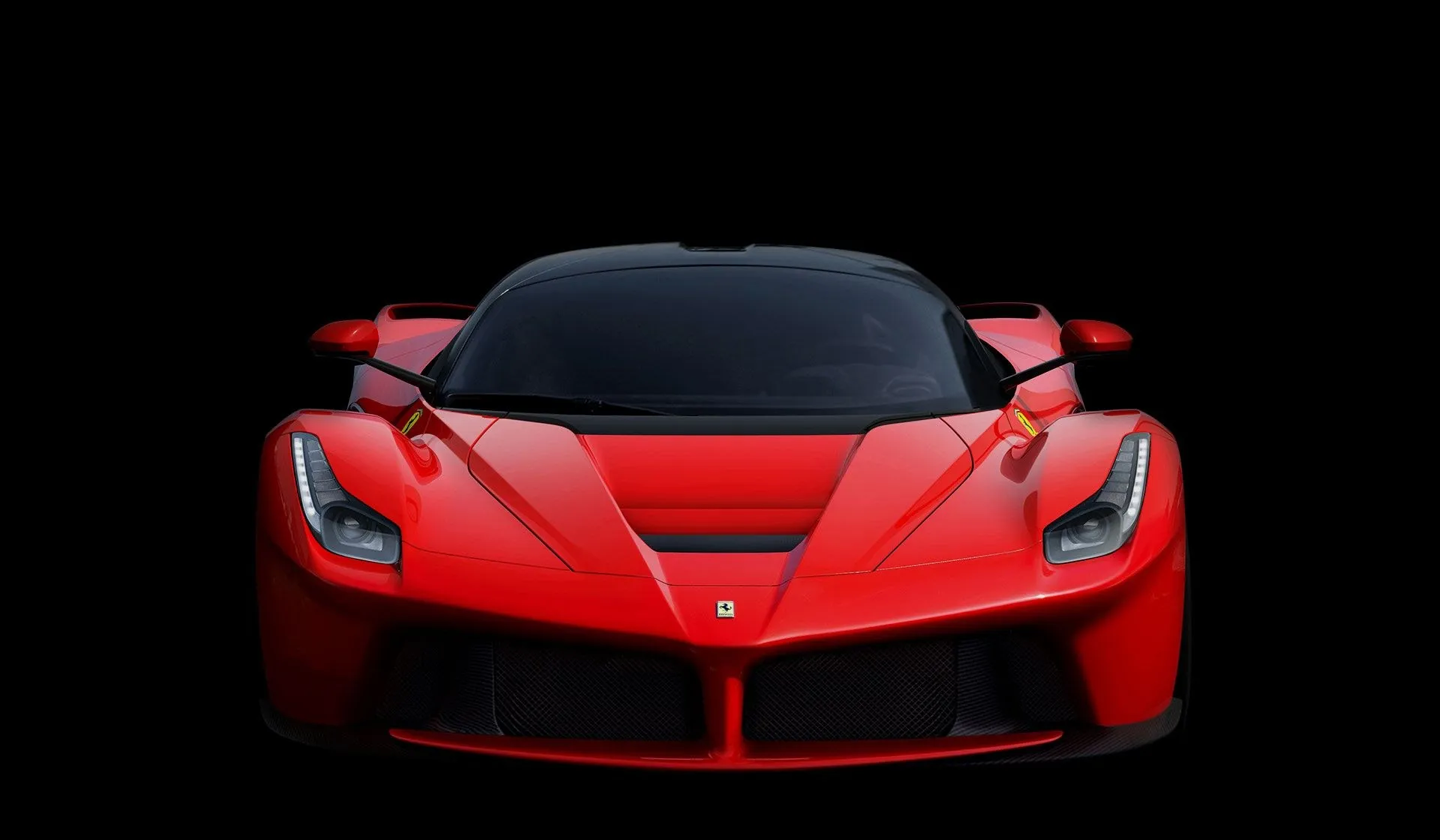
Electric motors have been contributing to Ferrari performance for more than a decade.
The Luce takes the concept further, using four electric motors to produce more than 1,000 horsepower. Ferrari claims acceleration to 100 km/h in approximately 2.5 seconds and a range of 530 kilometres, although that figure is a provisional estimate that has yet to be homologated. A 122 kWh battery helps account for a kerb weight of roughly 2.3 tonnes.
That last figure deserves attention. Weight affects every aspect of a car’s dynamic behaviour, and Ferrari has historically made considerable efforts to reduce it. The Luce’s powertrain brings substantial mass, even allowing for the packaging advantages of electric propulsion.
The absence of a combustion engine also removes much of what made Ferrari’s traditional powertrains distinctive. Electric motors offer immediate response and immense torque, but Ferrari has no monopoly on either.
A manufacturer capable of building the extraordinary V12 in the 812 Competizione has set itself a difficult task by abandoning that particular advantage.
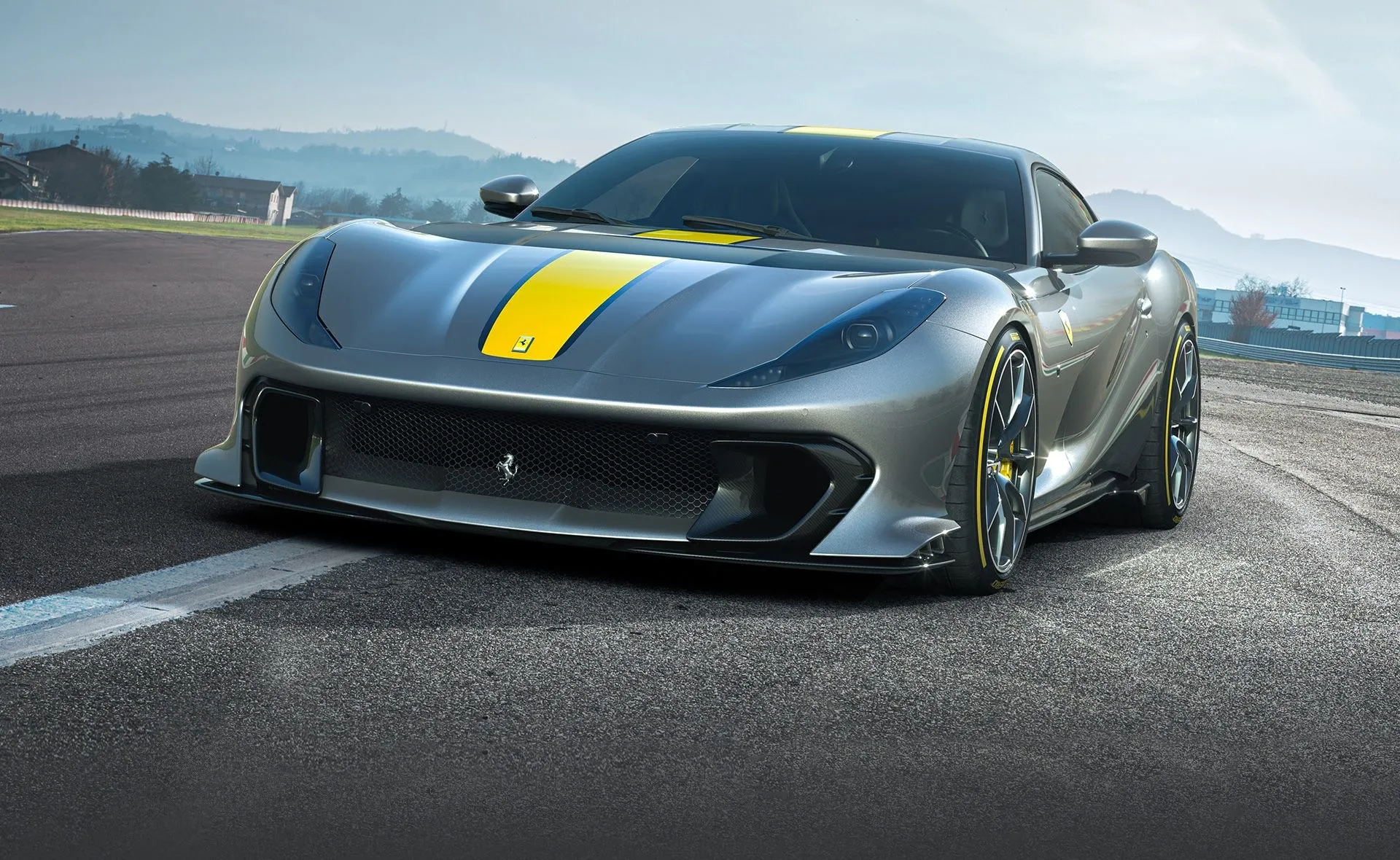
Its expertise in chassis development, steering, suspension and vehicle dynamics will have to carry more of the responsibility for distinguishing the Luce from its competitors.
That is where the car becomes genuinely interesting.
The involvement of Jony Ive and Marc Newson adds another dimension. Their approach to design is notably different from Ferrari’s traditional vocabulary. Whether the result is successful will be debated for years, although the quality of the detailing and the attention devoted to physical controls are already worthy of examination.
Ferrari has certainly made a bold decision. Whether it has made a good one will be easier to judge after spending time behind the wheel.
A market for almost anything
Ferrari announced in early November that its planned Luce production for 2027 had already been fully allocated.
Some have taken this as vindication. The critics may complain, but customers are evidently willing to buy.
There is a market for the Luce. How large that market might be remains unclear, since Ferrari has not disclosed the size of its initial production allocation.
And Ferrari is in the unusual position of being able to sell certain products almost irrespective of their practical merits.
Imagine, for a moment, that Maranello decided to produce a hundred official Ferrari-badged Toyota Corollas, priced at €200,000 each.
It would be surprising if the allocation lasted very long. Collectors might buy them for their rarity, their absurdity or simply their place in Ferrari history. At least one buyer would probably preserve his example as evidence of everything that had gone wrong at Maranello.
The Luce is obviously a rather more serious undertaking. Ferrari has invested considerable engineering and design effort in creating an entirely new electric model.
Its commercial reception is encouraging, but a limited production run selling out tells us relatively little about whether the finished car is any good.
Ferrari’s reputation and the historical significance of its first electric model are themselves powerful reasons to buy one.
That reputation is also why the criticism has been so loud.
A Ferrari for someone else
The most curious aspect of the hostility towards the Luce is the apparent assumption that Ferrari has an obligation to keep building cars according to the preferences of its existing enthusiasts.
It doesn’t.
Neither, of course, does a Ferrari enthusiast have any obligation to admire the Luce.
You may dislike the styling, find the weight excessive or consider an electric powertrain wholly unappealing. You may prefer a 458 Speciale, a 550 Maranello or a 1980s 328. You may regard the F40 as the finest road car Ferrari has ever made.
There are perfectly respectable arguments for all of those preferences.
Ferrari’s history is sufficiently rich to accommodate them. It should also be rich enough to accommodate a manufacturer exploring new ideas.
The company has been building cars that challenge its own conventions since well before Enzo’s death. Some have been brilliant. Others rather less so. The same will presumably be true of those it builds in the future.
Perhaps the Luce will turn out to be an exceptional driver’s car. Perhaps its weight and electric powertrain will make it less engaging than Ferrari’s finest combustion-engined models. Its styling may become celebrated or remain divisive.
Enzo Ferrari’s views on road cars changed during his lifetime, sometimes quite substantially. We have no reliable way of knowing what he would have made of the Luce, nor any particular reason to believe that his judgement would have been infallible.
He built a company capable of producing some extraordinary machinery. It has continued doing so for nearly four decades without him.
Allowing it to decide what to build next seems a reasonable concession.
The Luce doesn’t have to be your Ferrari. Someone else may find it exactly what they were looking for.
Sources
- Ferrari Luce: technical specifications, Ferrari
- 'A well executed mistake of automotive design': McLaren P1 designer on the Ferrari Luce, Top Gear
- Ferrari’s controversial Luce EV is sold out for 2027, TechCrunch
- Ferrari 400 Automatic, Ferrari
- Ferrari F40, Ferrari
- Ferrari FF, Ferrari
- Enzo Ferrari, Encyclopaedia Britannica
- Rolex history, 1926–1945, Rolex