EDC · In Depth
The Art of Carrying Less
Everyday carry can be as simple as a passport and a credit card, or as elaborate as a carefully assembled collection of exceptional tools. The trick is knowing what deserves a place in your pocket.
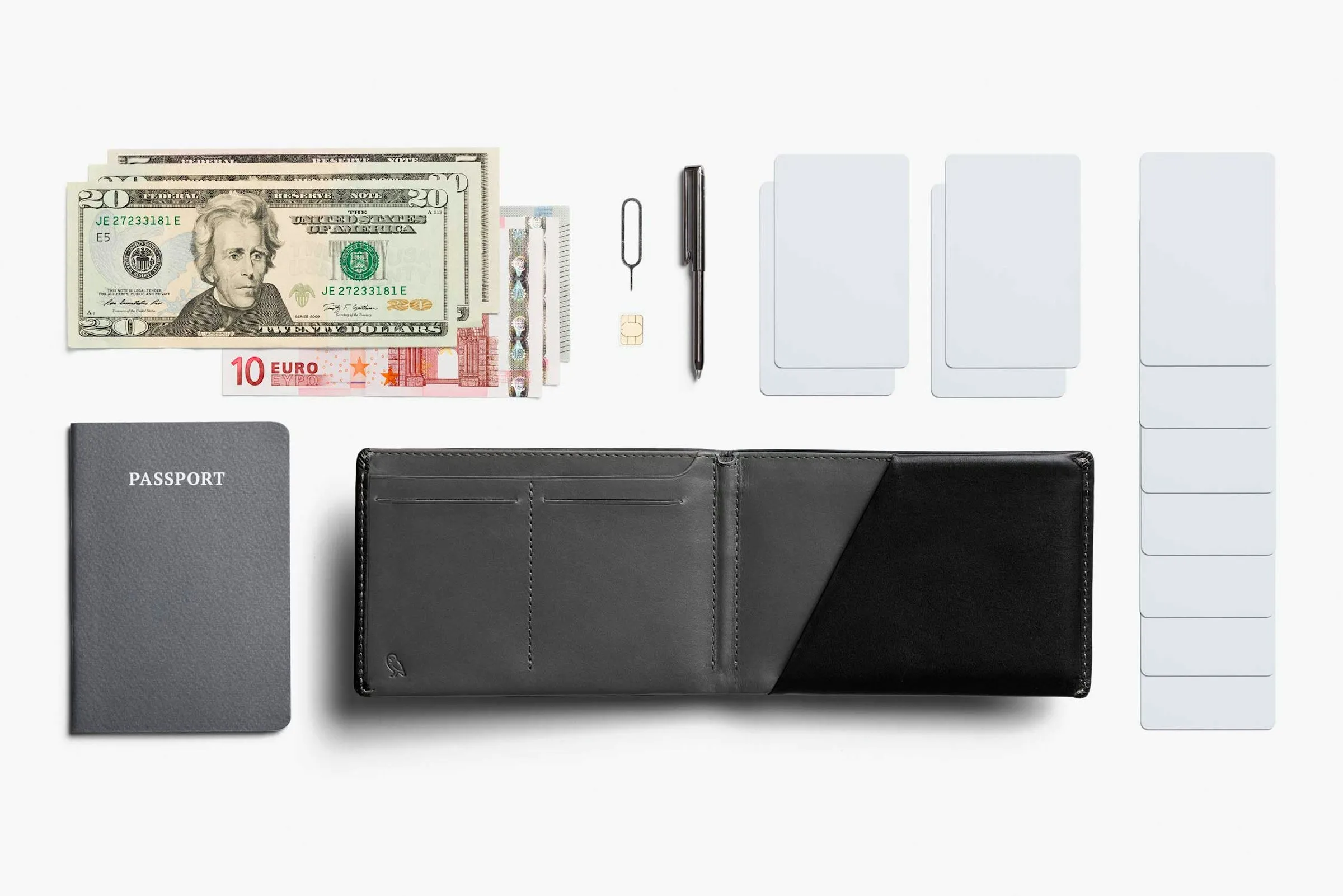
There is a wonderful story about a group of people travelling to London for an exclusive preview of a new Bugatti. Among the visitors, one man reportedly arrived carrying nothing more than his keys, passport and credit card. No luggage, no bag full of necessities, and apparently no concern about anything he might have forgotten.
The precise circumstances are difficult to establish, but the story illustrates a particularly appealing form of travelling light. Almost everything the man could conceivably need was already available at his destination. His possessions consisted of the few things that could not easily be supplied by somebody else.
Most of us occasionally need rather more than that, although probably less than we routinely carry.
Everyday carry, usually abbreviated to EDC, has become a small industry devoted to the things people keep about their person. There are beautiful pocket knives, precision-machined pens, ingenious wallets, titanium key organisers and miniature torches capable of illuminating an entire garden. Some are exceptionally well made. Others solve problems that the owner may never have encountered.
The most useful way to approach EDC is to consider what an ordinary day actually requires. A collection that works beautifully during a weekend in the countryside may be a nuisance at a business meeting. An excellent travel setup may contain things that have no business accompanying you to the supermarket.
There is a further distinction between what needs to be in your pockets and what can remain in a car, briefcase or overnight bag. Keeping a few useful items nearby provides much of the benefit without requiring you to carry them everywhere.
And the individual objects can be a pleasure in themselves. A leather wallet that develops a handsome patina, an exceptionally well-engineered folding tool or a pen that writes beautifully may earn its place through the quality of its design as well as its usefulness.
The essentials: keys, payment and identification
The simplest EDC consists of whatever allows you to leave home, conduct your business and return. For many people, that means a telephone, keys and a means of payment. Identification is worth considering according to where you live and travel.
A conventional wallet may contain a dozen cards, receipts, coins and other things that have accumulated over the years. Much of that can be eliminated.
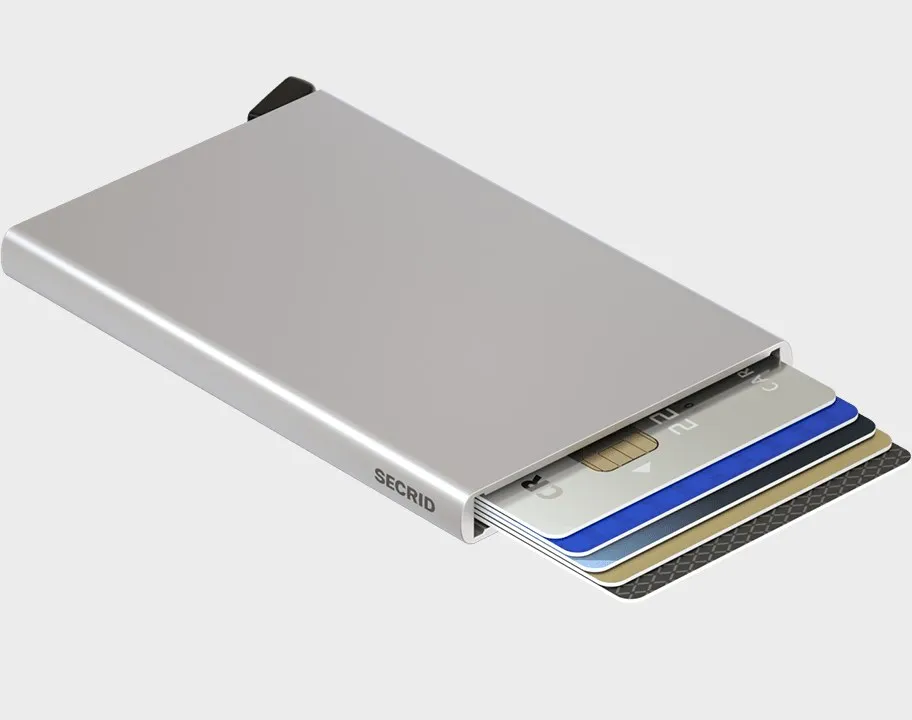
The Secrid Cardprotector is an excellent example of intelligent Dutch industrial design. Its aluminium case protects up to six flat cards and presents them in a staggered arrangement with a single movement of a small lever. It is compact, mechanically satisfying and costs approximately €35. For someone who rarely uses cash, it may be all the wallet required.
Those who prefer leather might consider the Bellroy Card Sleeve, a slim holder with a pull-tab for less frequently used cards, or the Bellroy Slim Sleeve, which accommodates more cards and folded banknotes without becoming excessively bulky. Both are attractive alternatives to a traditional billfold.
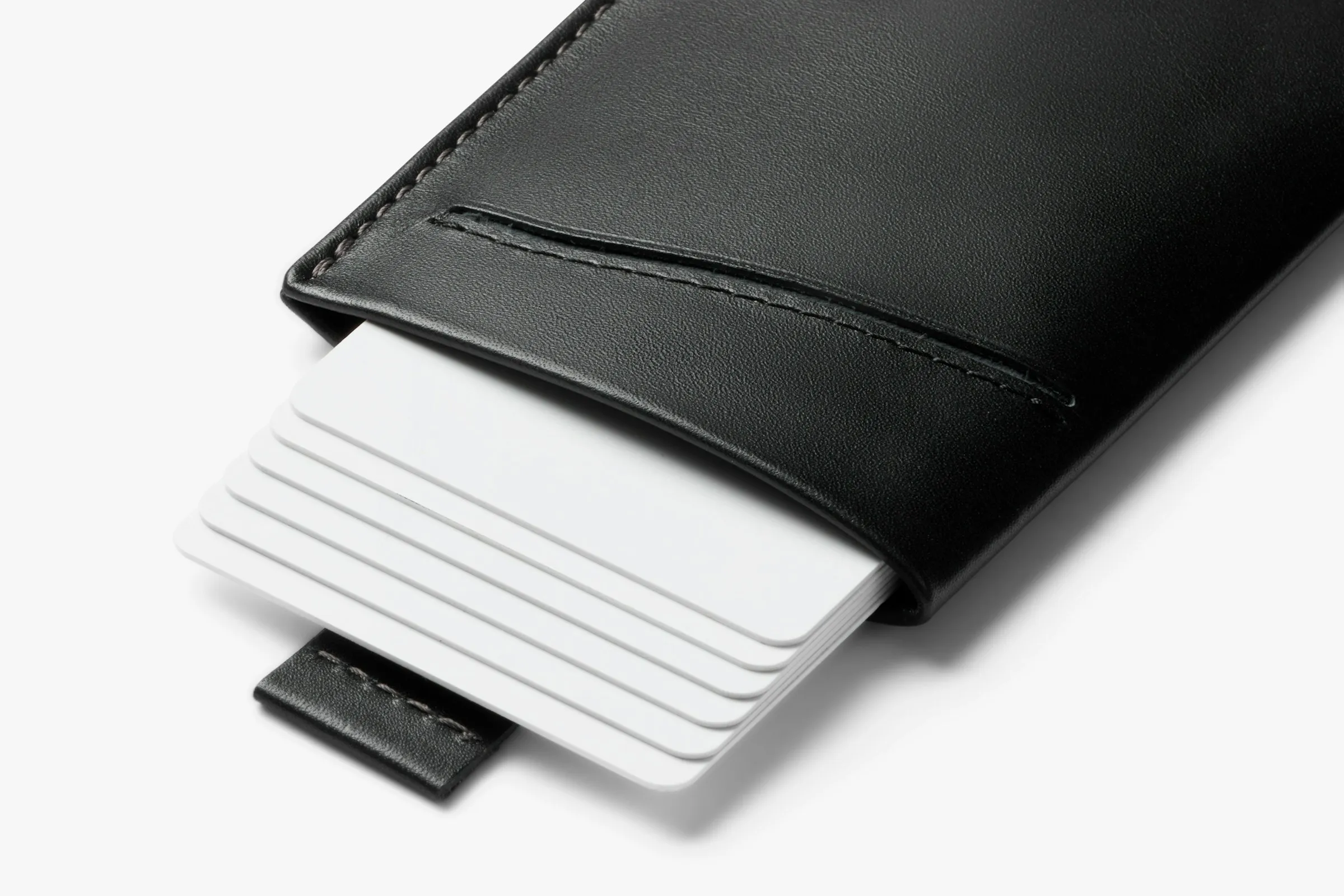
Keys are another opportunity for improvement. If you carry several conventional keys, an Orbitkey Key Organiser can keep them together without allowing them to rattle or scratch other possessions. The leather versions are particularly handsome. An Apple AirTag or comparable tracker can be useful for a keyring or bag, although adding a tracker to an otherwise minimal collection is a decision worth making on practical grounds.
The important thing is how quickly the items can be retrieved and replaced. A wallet that makes every payment more cumbersome has achieved very little, however beautifully it is made.
A day in the city
A typical working day may call for a little more equipment. A telephone and wallet cover most transactions, but a good pen remains useful, and a small notebook can be preferable to opening an application every time you want to write something down.
The Fisher Space Pen Bullet is an appealing choice. Its compact cylindrical body becomes a full-length pen when the cap is fitted to the rear, while the pressurised refill can write in conditions that trouble conventional ballpoints. There is something particularly pleasing about a product that is both beautifully simple and mechanically distinctive.
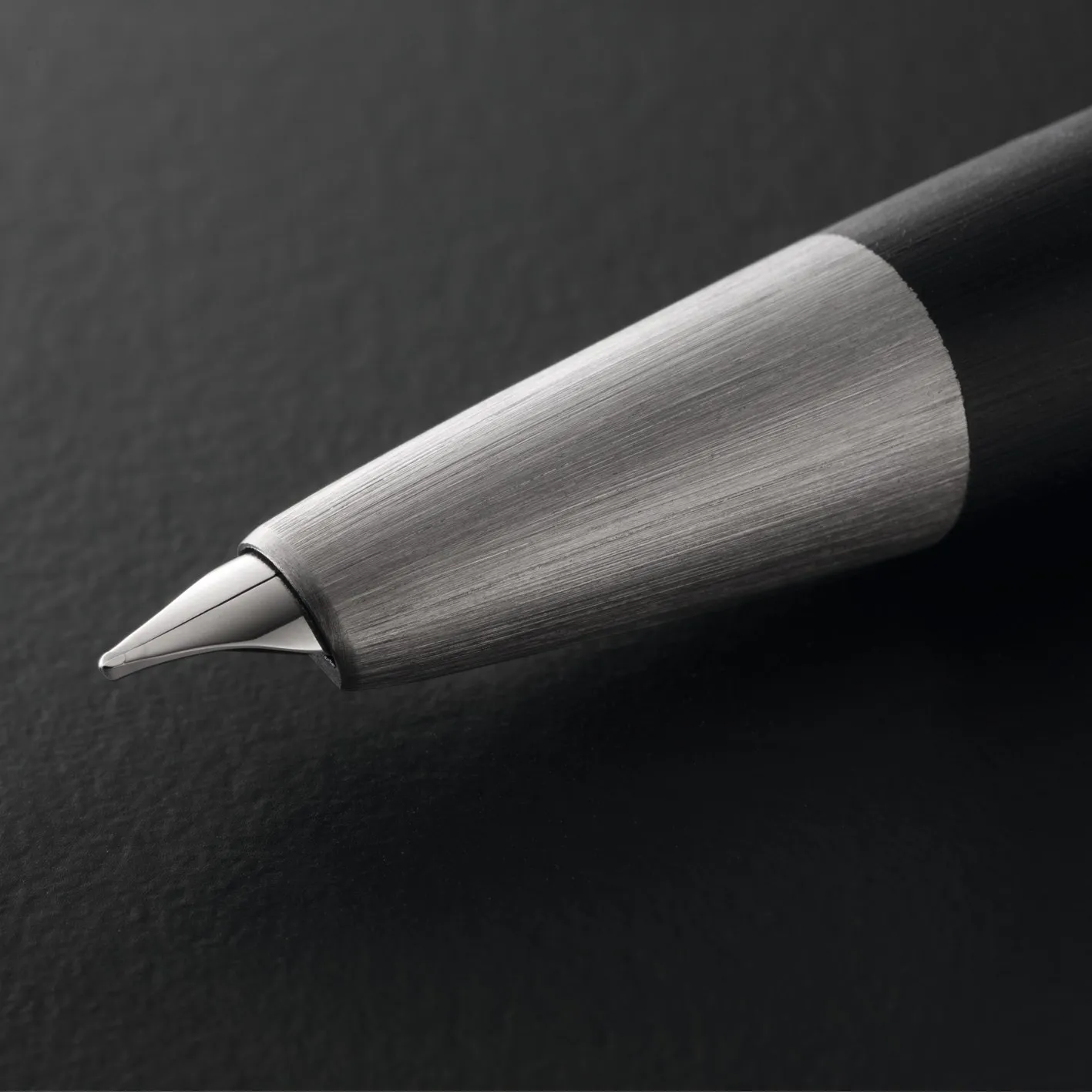
A LAMY 2000 is a more substantial writing instrument, with a design dating to 1966. The fountain-pen version offers a very different experience from a compact ballpoint and is better suited to someone who regularly writes at a desk. Its restrained form and carefully considered materials have aged exceptionally well.
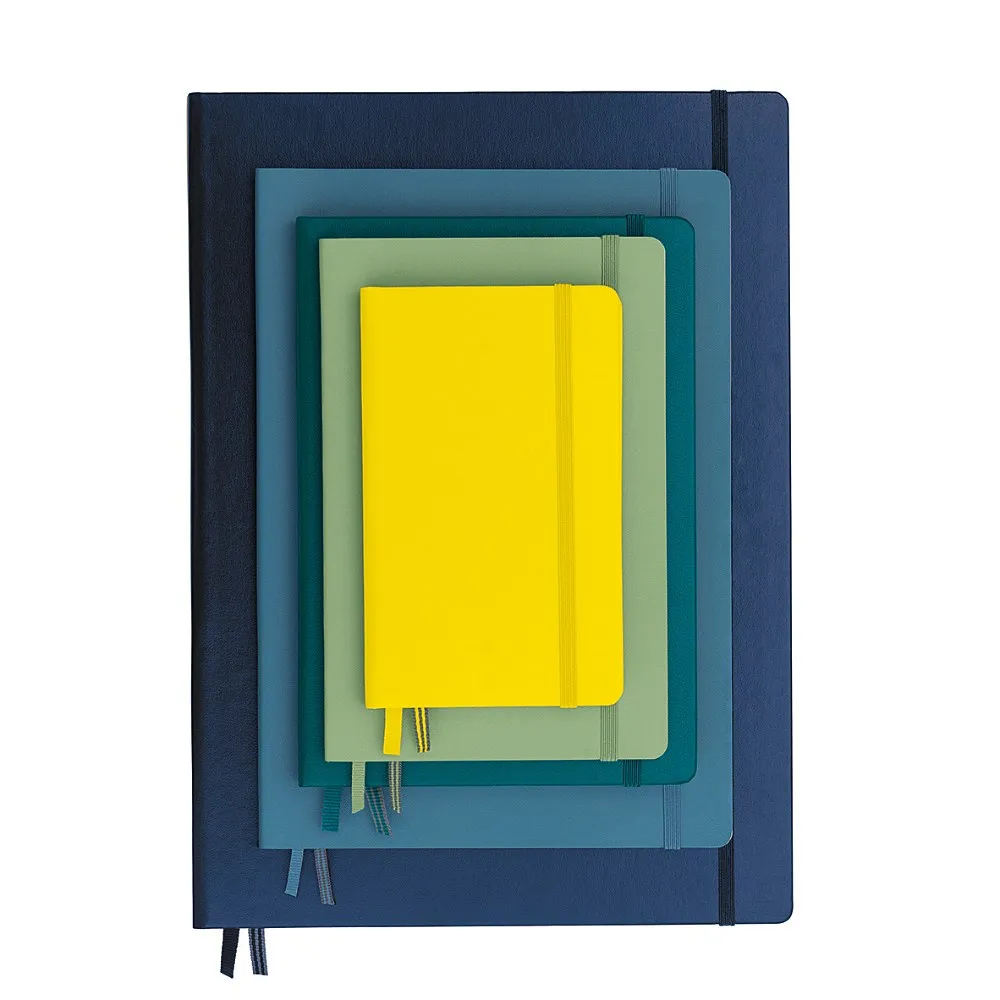
For notebooks, Leuchtturm1917 and Rhodia offer excellent paper and bindings in various sizes. The smallest notebook that comfortably accommodates your handwriting is usually the most useful one to carry.
A small power bank can also be worthwhile, particularly for someone who depends on a telephone throughout the day. The best choice is one that provides enough capacity for the intended use without becoming another substantial object requiring daily attention.
For a city outing, these few additions may be sufficient. There is little reason to carry a tool kit unless the day’s activities make one useful.
The traveller
Travelling changes the calculation. Identification, payment and communication become particularly important, while losing any one of them may cause considerable inconvenience.
A passport, a primary payment card and access to a second means of payment are sensible starting points. Keeping the backup card separate from the primary wallet reduces the consequences of losing one.
A slim passport wallet can organise documents without occupying much space. Bellroy’s travel accessories are worth examining for their combination of compact construction and practical compartments. A good passport cover should protect the document while allowing it to be removed quickly when required; elaborate fastening systems are rarely helpful at a border checkpoint.
For charging, a compact USB-C adapter and a suitable cable can replace several separate chargers, provided their output and connections match the devices being carried. A small power bank adds independence from airport sockets and hotel furniture.
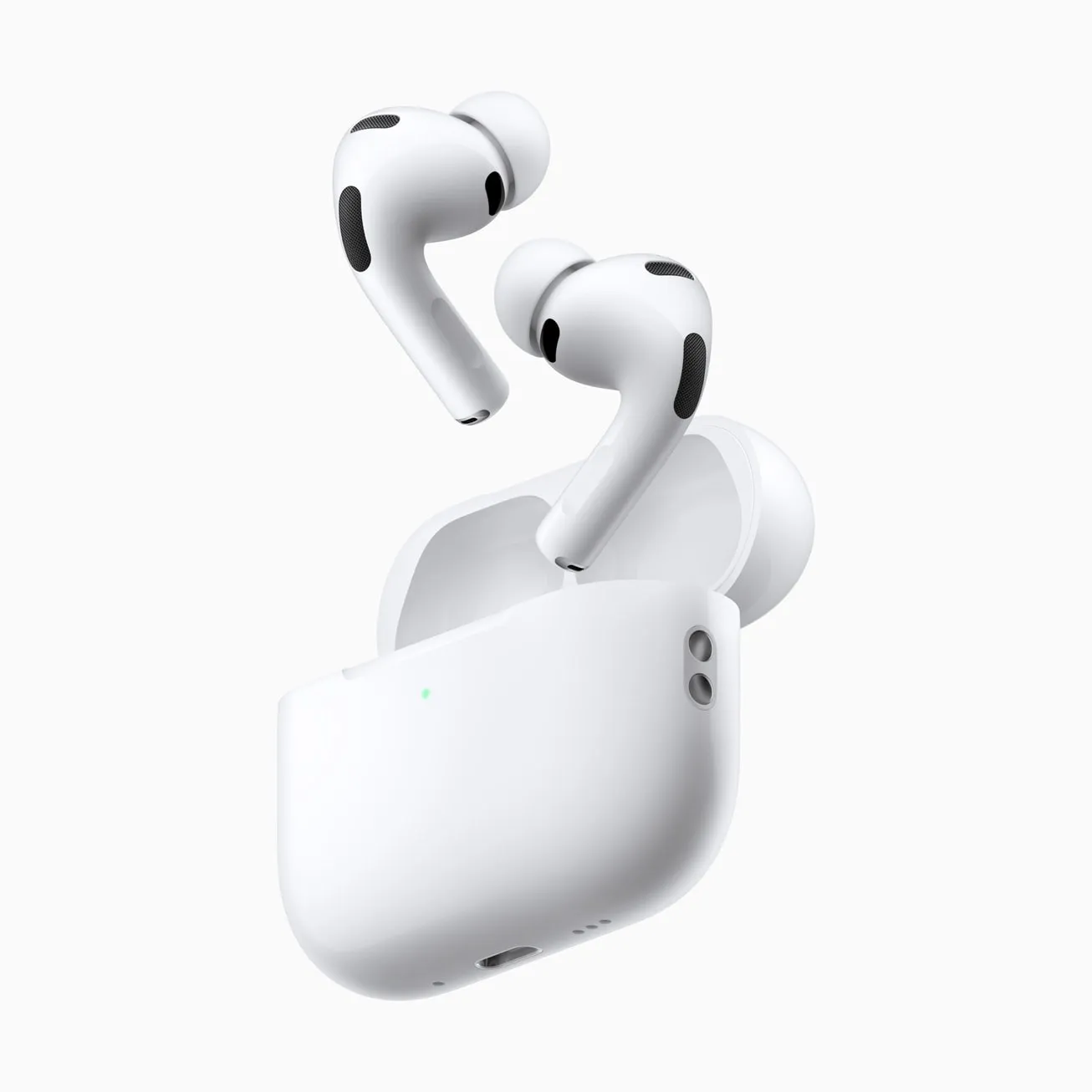
A good pair of wireless earphones is another particularly useful travelling companion. Apple’s AirPods Pro, for example, combine effective noise cancellation with convenient charging, automatic device integration and a compact case. Their sophistication is striking given their size. Naturally, much of the convenience depends on using compatible Apple devices.
One point deserves emphasis: a pocket knife or multitool is generally unsuitable for carry-on luggage. Airlines and airport security authorities impose restrictions on blades and other tools, and the rules can vary by jurisdiction. A Victorinox Jetsetter, which has scissors and other small implements but no knife blade, may be more appropriate, although even bladeless tools are subject to security screening and are not guaranteed acceptance.
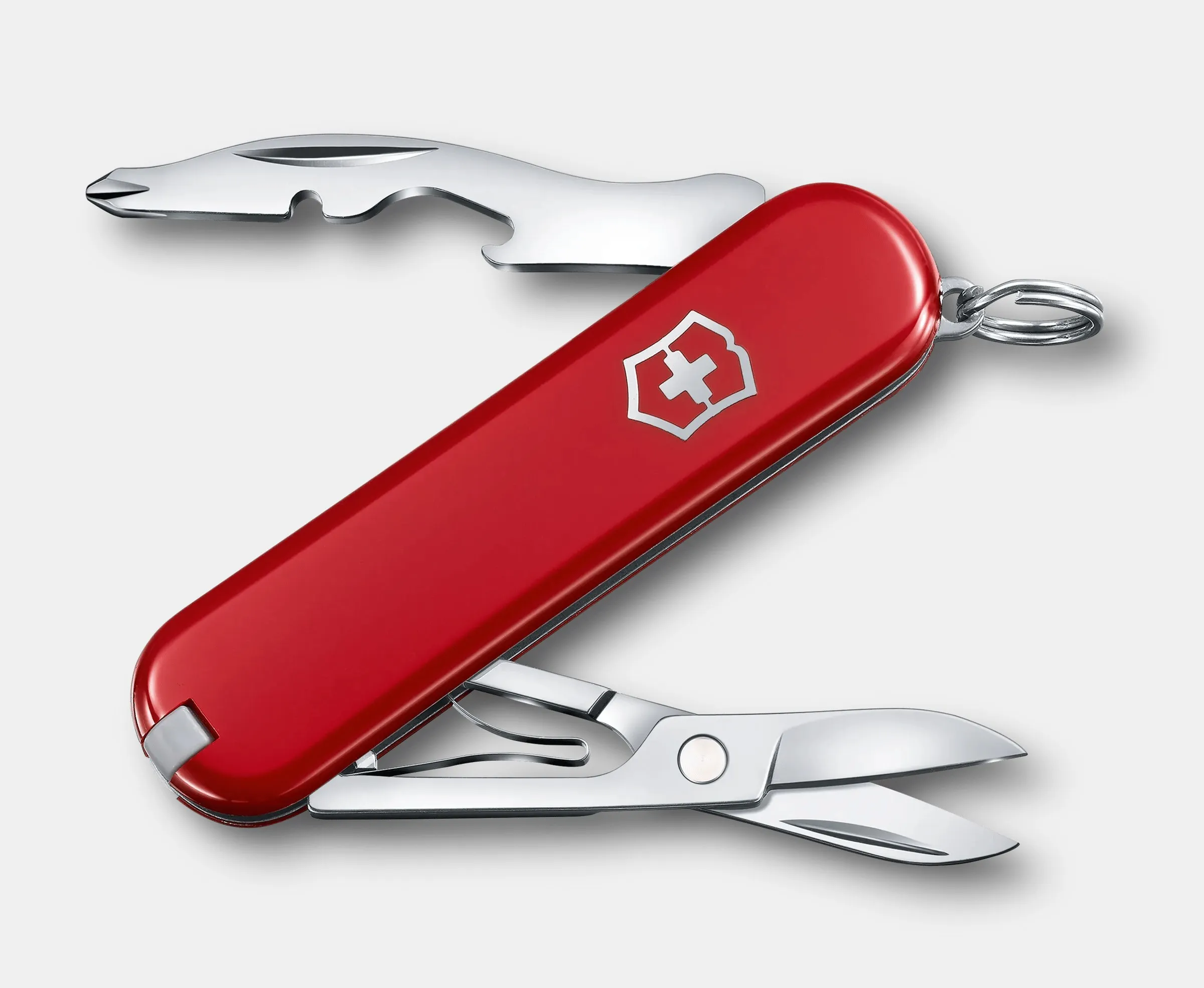
For the traveller, the most valuable equipment is often the equipment that prevents a minor problem from becoming a serious inconvenience.
The car: a little equipment that stays behind
A car provides an opportunity to carry useful things without having them in your pockets.
A compact torch is a good example. Modern rechargeable LED torches provide extraordinary illumination from very small bodies, and a well-designed model can remain useful for years. Fenix and Olight make particularly interesting compact lights, with different approaches to output, charging and controls.
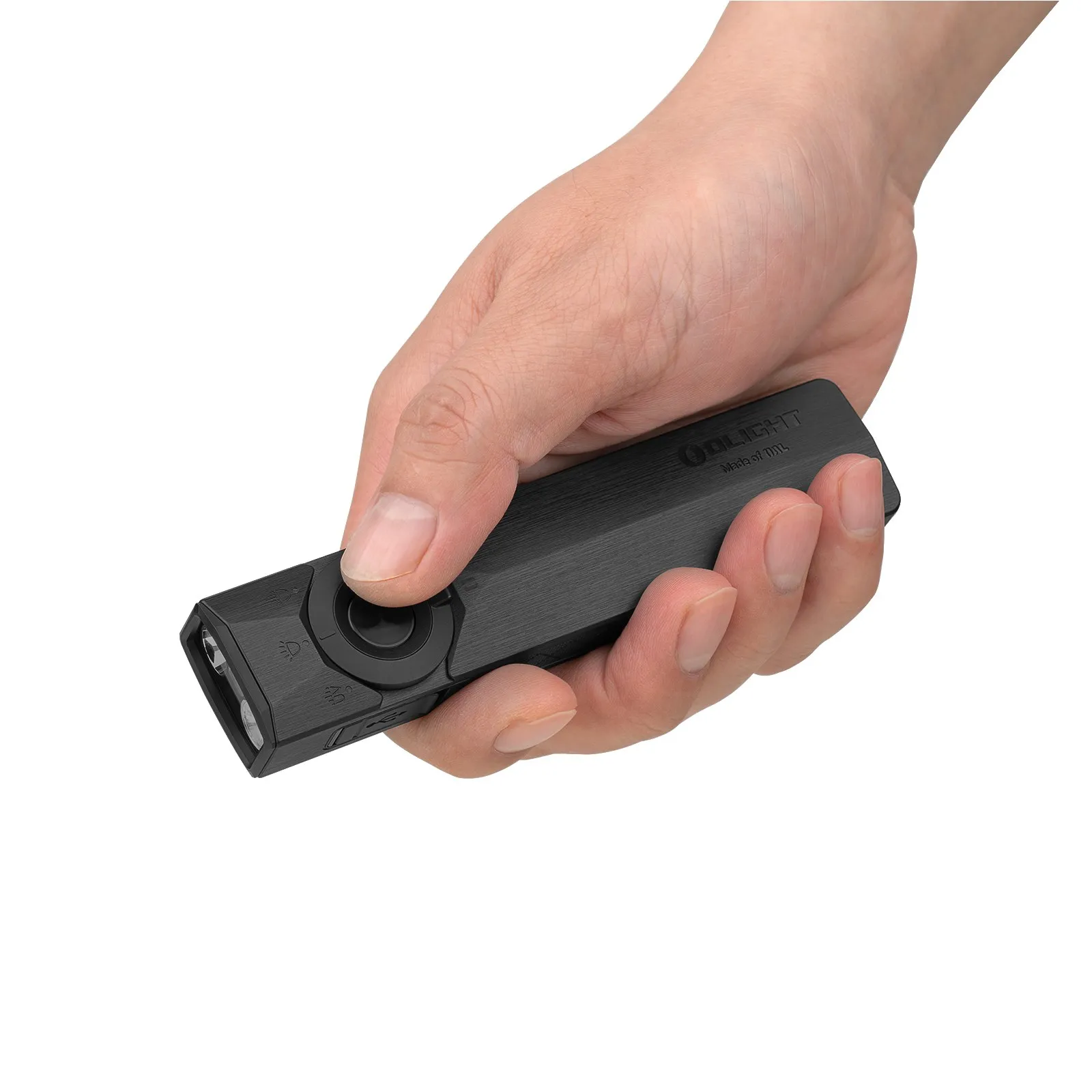
A small multitool may also be useful. The Leatherman Skeletool CX concentrates on a few practical functions, including pliers, a knife and a bit driver, without the weight of a fully equipped multitool. The larger Leatherman ARC offers a considerably more extensive selection, with tools accessible from the outside and a MagnaCut steel blade. Its construction is impressive, though it is more substantial than many people would want to carry in a pocket.
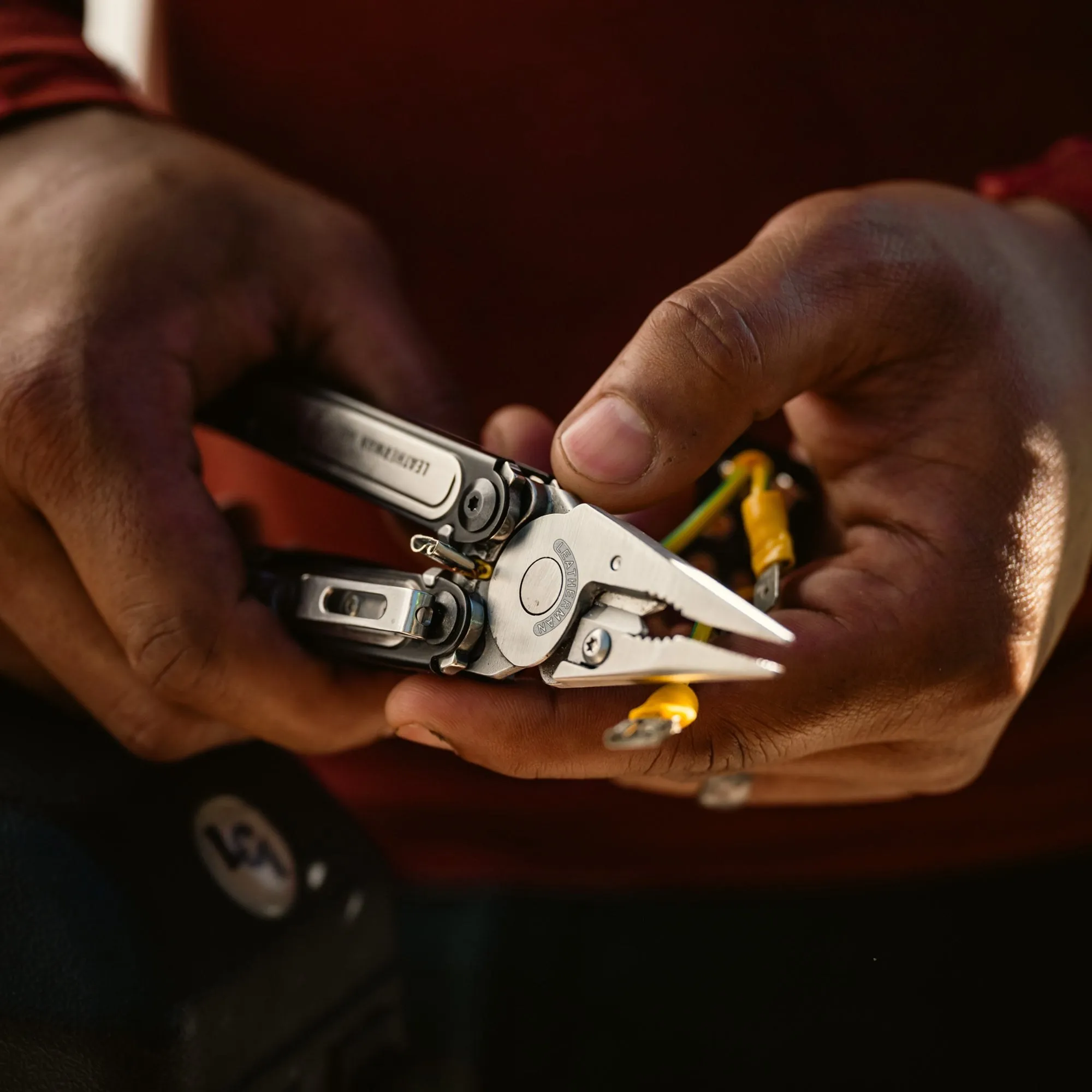
There is also the delightful Knipex Cobra XS, a genuine adjustable water-pump plier measuring only 100mm long. It provides a surprisingly capable grip on small nuts, fittings and other components. It is an excellent piece of miniature engineering, although its usefulness depends entirely on whether you encounter the sort of jobs for which pliers are appropriate.
A car kit can also contain a charging cable, a compact first-aid kit and a few other items selected for the vehicle and the journeys it makes. A dedicated tyre-pressure gauge may be worthwhile for someone who regularly checks pressures.
Equipment stored in a car should tolerate the temperature extremes it may encounter. Rechargeable batteries, in particular, deserve some thought before being left for months in a vehicle exposed to summer heat or winter cold.
The advantage of a car kit is that its contents can be selected for occasional usefulness rather than constant portability.
A weekend outdoors
Walking, camping, cycling or working around a country property creates different requirements.
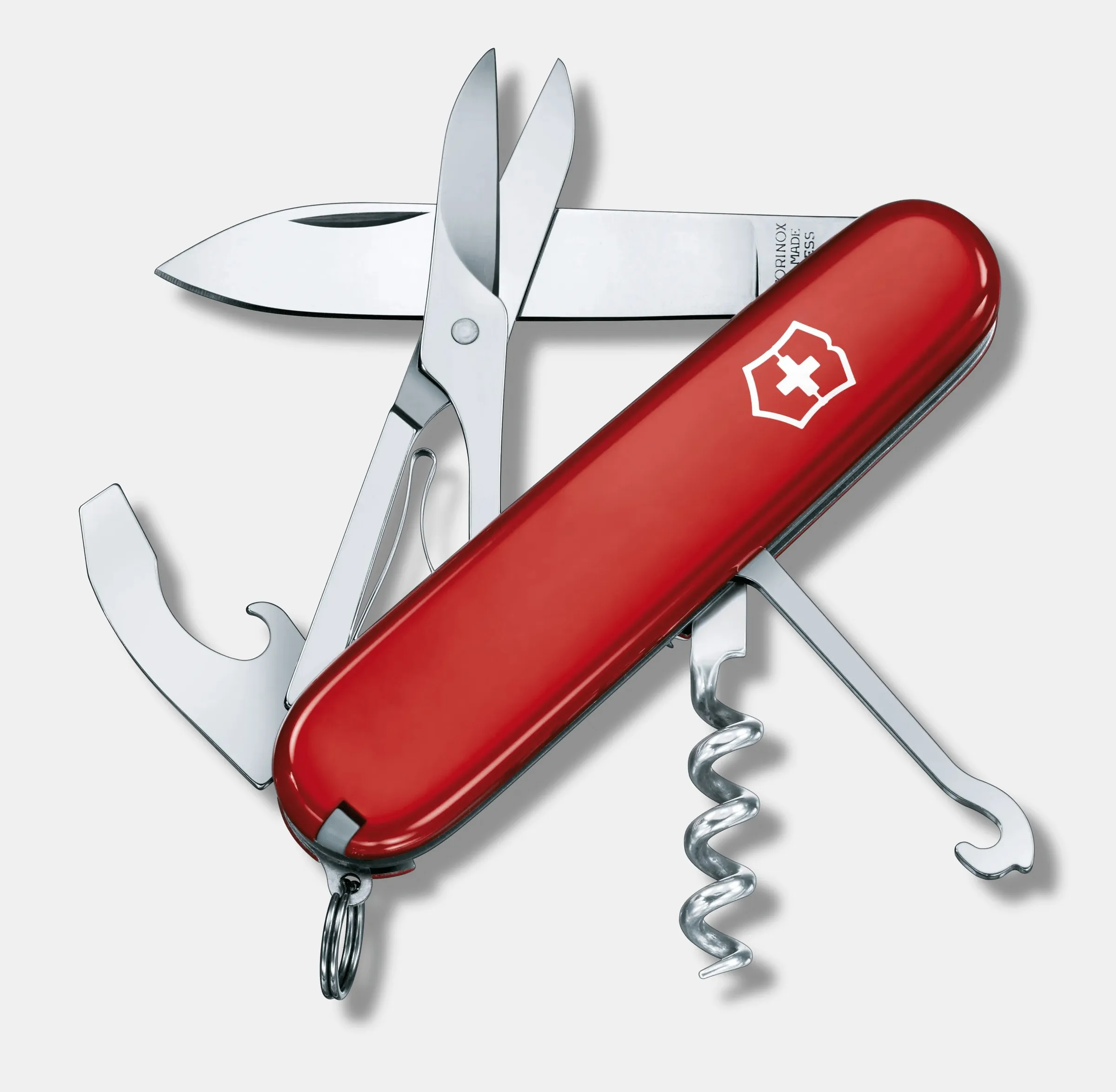
A Victorinox Compact is an exceptionally useful small Swiss Army knife. Its scissors, blade and assorted everyday tools cover a remarkable number of minor jobs in a package that remains comfortable to carry.
For more demanding work, the Leatherman ARC offers significantly greater capability, particularly where pliers and screwdrivers are involved. The Knipex Cobra XS is an excellent companion when dealing with fasteners or fittings, although carrying both tools may be unnecessary for a short walk.
A dependable torch becomes more important away from well-lit streets, and a headlamp can be considerably more convenient when both hands are occupied. Petzl and Fenix offer compact headlamps suitable for general outdoor use.
Water, weather protection and appropriate footwear will often make more difference to the success of an outing than any collection of pocket accessories. A small backpack with a comfortable harness provides a practical place for the necessary equipment.
The objective is to carry enough to enjoy the activity without turning the equipment itself into a burden.
Somewhere to put it all
Once the collection exceeds what comfortably fits in the pockets, a small bag becomes useful.
The Peak Design Everyday Sling is a particularly well-considered option. The 3-litre version accommodates a compact camera or a modest collection of everyday essentials, while the larger versions suit more substantial photographic or travel equipment. Its compartments and adjustable carrying arrangement make good use of the available space.
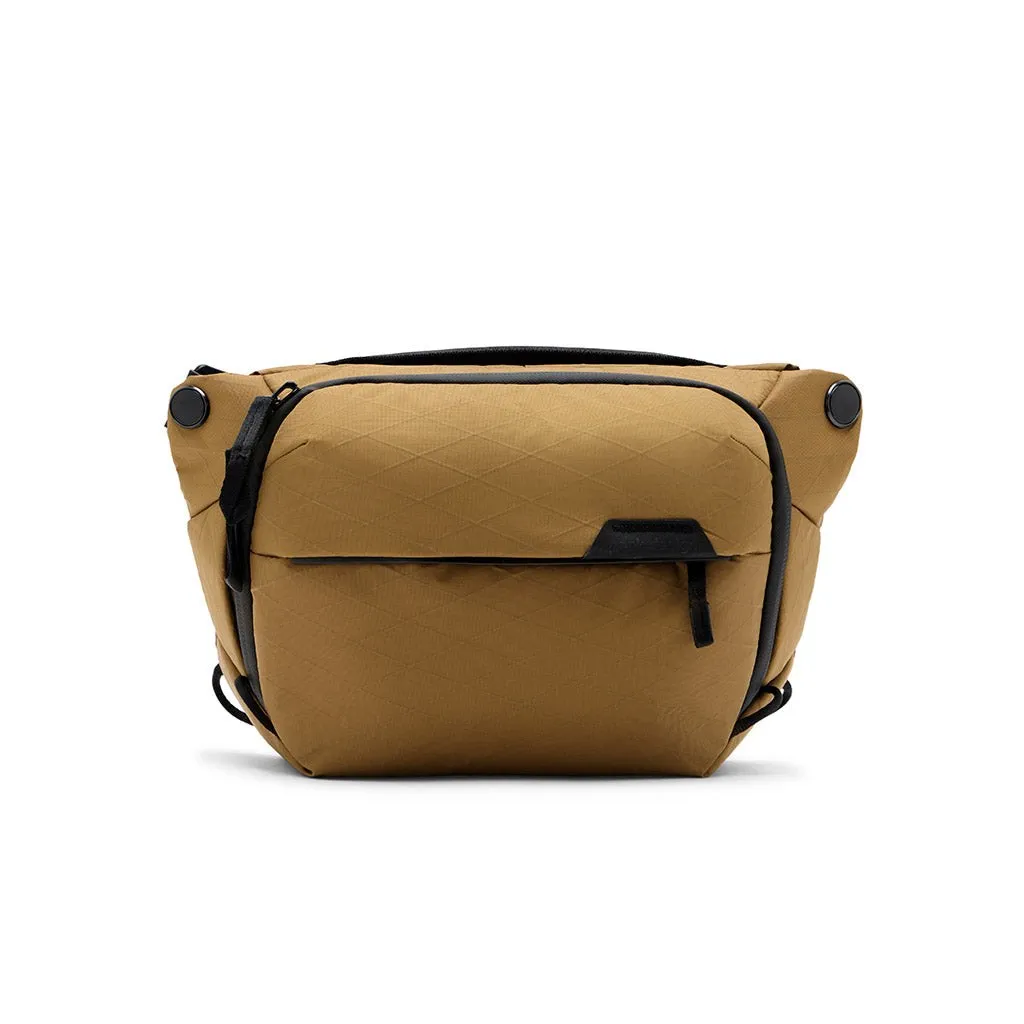
Bellroy also offers attractive compact bags, particularly for someone who prefers a softer, less technical appearance.
For chargers, cables and small accessories, an Orbitkey 2-in-1 Tech Accessory Pouch provides an orderly place to keep everything together. It is particularly useful when moving the same equipment between different bags.
A good bag should make its contents easy to find and protect them without adding excessive weight. Beautiful materials and fine workmanship are entirely legitimate reasons to favour one design, provided the resulting object remains pleasant to use.
There is an amusing tendency for EDC enthusiasts to solve the problem of carrying too many things by purchasing an increasingly elaborate bag. A little restraint is useful here.
The pleasure of a good tool
A well-made everyday object can be satisfying in ways that have little to do with its price. The sliding mechanism of a Secrid, the carefully engineered joints of a Leatherman and the beautifully finished body of a good pen all demonstrate thoughtful design.
Some of these objects are inexpensive. Others are costly, and some can be commissioned or manufactured from particularly fine materials. There are titanium wallets, handmade leather goods and precision-machined accessories whose owners may take great pleasure in their construction and appearance.
The important question is whether the object makes the activity for which it was designed more pleasant or convenient.
A beautifully made pen that writes consistently is worth carrying. A pocket torch that is always ready when needed can be surprisingly useful. A carefully selected multitool may replace several separate implements.
And sometimes the most satisfying improvement is removing something you no longer need.
The Bugatti visitor’s passport, keys and credit card represent one extreme of everyday carry. A carefully equipped bag for an extended journey represents another. Neither is inherently better. What matters is whether the contents suit the occasion.
Efficiency is the governing principle. Everything you carry should earn its place, whether through practical usefulness, exceptional craftsmanship or the simple pleasure of owning and using something beautifully made.
The result may be a particularly fine collection of objects.
Or three things in your pockets.
The products mentioned were available or listed by their manufacturers and retailers in November 2026. Prices and local regulations may change. Knives and multitools should be carried only where permitted.
Sources
- Cardprotector, Secrid
- Slim Sleeve, Bellroy
- LAMY 2000, Lamy
- Jetsetter, Victorinox
- ARC, Leatherman
- Cobra XS, Knipex
- Everyday Sling, Peak Design