Gadgets · In Depth
The Best Camera in the World
Extraordinary lenses, sophisticated sensors and cameras that are a pleasure to use. What does the finest photographic equipment actually bring to your images?
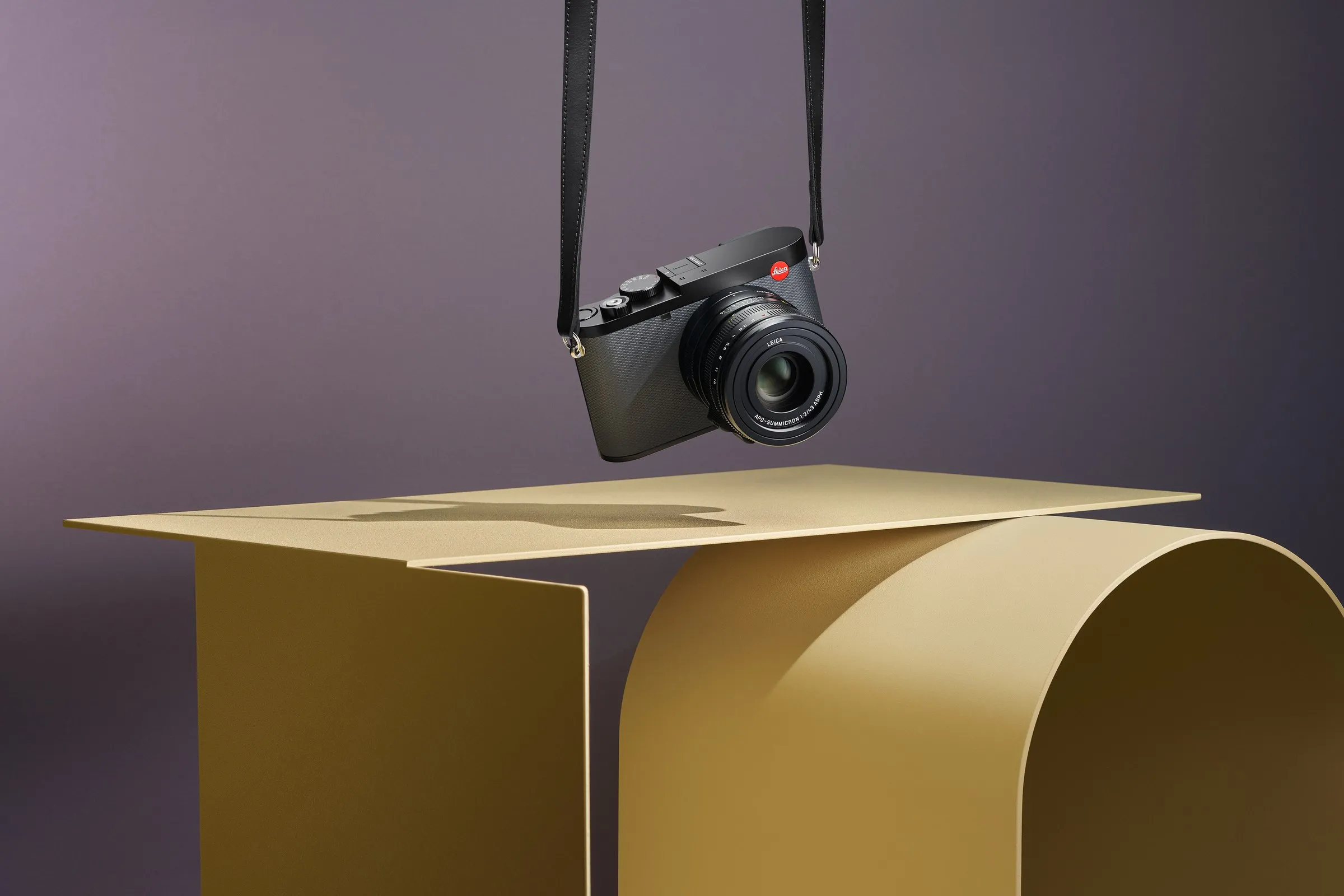
There is an old saying among photographers that the best camera is the one you have with you. It remains excellent advice, particularly now that a good smartphone can produce remarkably attractive images under circumstances in which carrying a dedicated camera would seem unnecessary. Modern phones combine several cameras, sophisticated computational photography and exceptionally convenient editing and sharing. They are always ready, require very little technical knowledge and are capable of results that would have seemed improbable from such small devices only a decade ago.
A dedicated camera asks rather more of its owner. Even a relatively compact one needs carrying, its battery needs charging and transferring, editing and organising its images generally require additional steps. Interchangeable lenses introduce further decisions, along with the temptation to acquire more of them. Anyone accustomed to the convenience of a smartphone may reasonably wonder what all this additional equipment is supposed to accomplish.
The answer is that a good camera offers a degree of control over the image that remains difficult to reproduce convincingly with a phone. Larger sensors and excellent optics can capture fine detail, subtle tonal variations and natural transitions between sharp and unsharp areas. A proper viewfinder makes composing an image in bright sunlight a pleasure, while direct control of exposure and focus allows the photographer to decide precisely how a scene should be rendered.
There is also considerable satisfaction in using a beautifully made instrument. A smoothly operating focus ring, a carefully damped shutter release and controls that fall naturally beneath the fingers contribute to the experience of making photographs. The best cameras have a reassuring quality: once their operation becomes familiar, they demand remarkably little attention.
Technical specifications are useful, although their significance is easily exaggerated. A 60-megapixel sensor provides considerable freedom to crop an image or produce a very large print. For photographs viewed primarily on Instagram, the additional resolution contributes little directly to the finished result. The quality of the lens, the sensor’s tonal performance and the photographer’s decisions can still make an enormous difference.
Similarly, a magnificent 50mm f/1.2 lens offers opportunities that a smaller, slower lens cannot quite reproduce. Its wide aperture allows more light to reach the sensor and can produce exceptionally attractive background blur. It will also tend to be large and heavy, and at close distances the depth of field can become so shallow that obtaining adequate sharpness across a face requires considerable care. Many excellent photographs are made with the lens stopped down.
For an interchangeable-lens camera, a high-quality 24–105mm or 24–120mm f/4 zoom makes a particularly sensible everyday companion. It covers landscapes, architecture, portraits and details without frequent lens changes, while modern sensors make the one-stop disadvantage relative to an f/2.8 zoom quite manageable in most circumstances. The faster lens retains its advantages in low light and when a shallower depth of field is desirable, but the extended range is often more useful in daily photography.
There is another consideration. Extracting the highest quality from a modern camera generally involves developing its RAW files, with control over colour, contrast, highlights and shadows. This can be immensely rewarding, although it requires time and a reasonably capable computer. High-resolution photography also produces substantial quantities of data. A serious collection of 45- or 100-megapixel images deserves equally serious arrangements for storage and backup.
None of this diminishes the attraction. Photography is a craft in which better equipment can provide genuinely greater possibilities, and there is enormous pleasure in learning how to exploit them. The following cameras represent several particularly appealing ways to do so.
Leica Q3 43: The beautifully considered compact
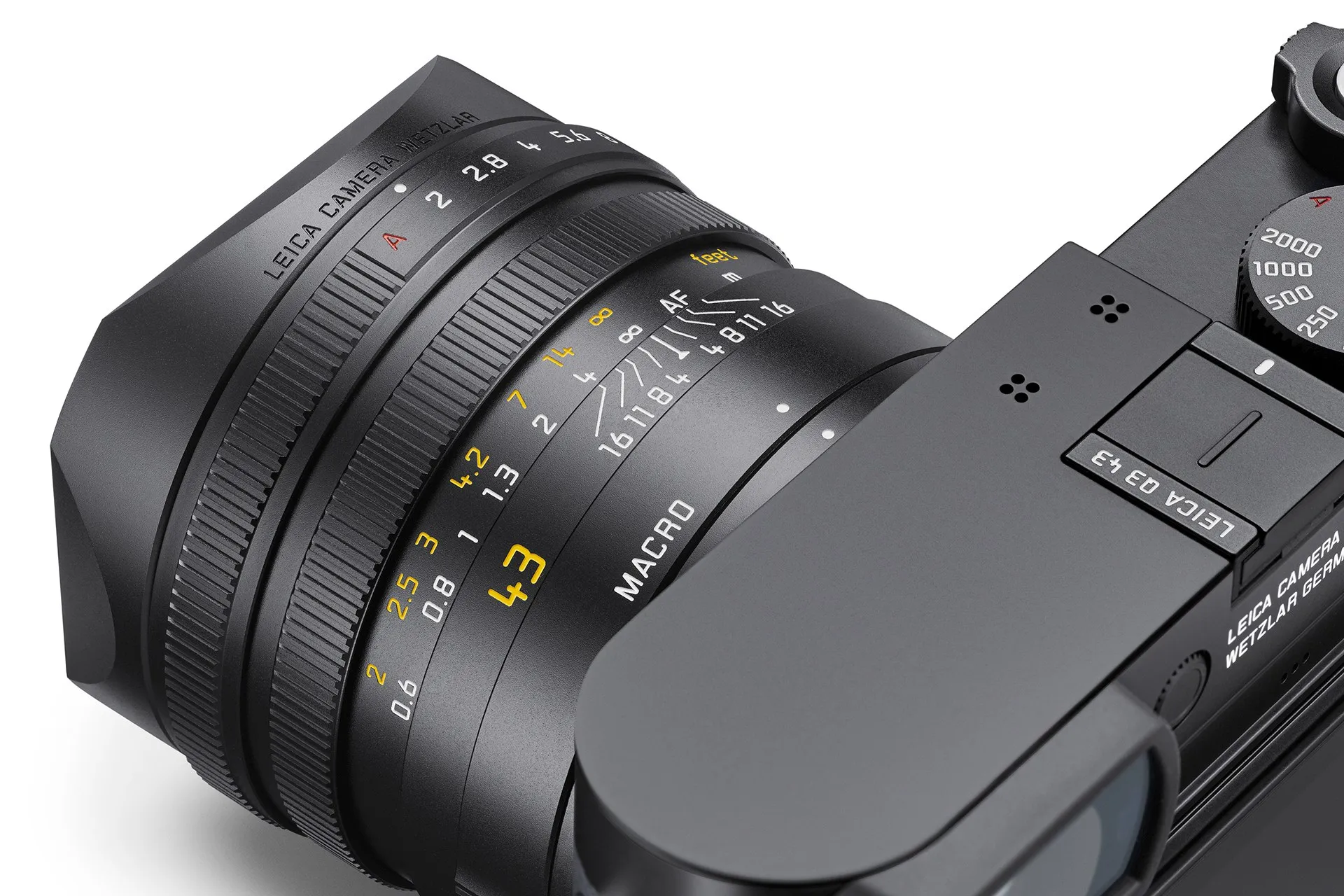
The Leica Q3 43 combines a 60-megapixel full-frame sensor with an exceptional APO-Summicron 43mm f/2 ASPH lens. Its focal length is close to a natural perspective, equally comfortable with people, details and everyday scenes. The lens is a particularly impressive optical achievement, while the camera’s metal construction, restrained design and direct controls make it a beautiful object in its own right. Optical stabilisation and a good electronic viewfinder add considerably to its usefulness. The fixed lens encourages familiarity with a single perspective, although it necessarily limits the photographs you can make without moving your feet. Its autofocus and certain aspects of the interface are less accomplished than its optics.
A complete outfit: Leica Q3 43 (€6,990), spare battery and 128GB SD card (€250), Leica leather multifunctional protector (€260), quality leather strap and compact shoulder bag (€280), premium 49mm protective filter (€80) and compact travel tripod (€400). Remote shutter control is available through Leica FOTOS. Approximately €8,260.
Strengths: Exceptional optics, beautiful construction, straightforward controls, excellent image quality.
Limitations: Fixed focal length, relatively substantial body, autofocus and interface less accomplished than the lens.
Sony RX1R III: Astonishing miniaturisation
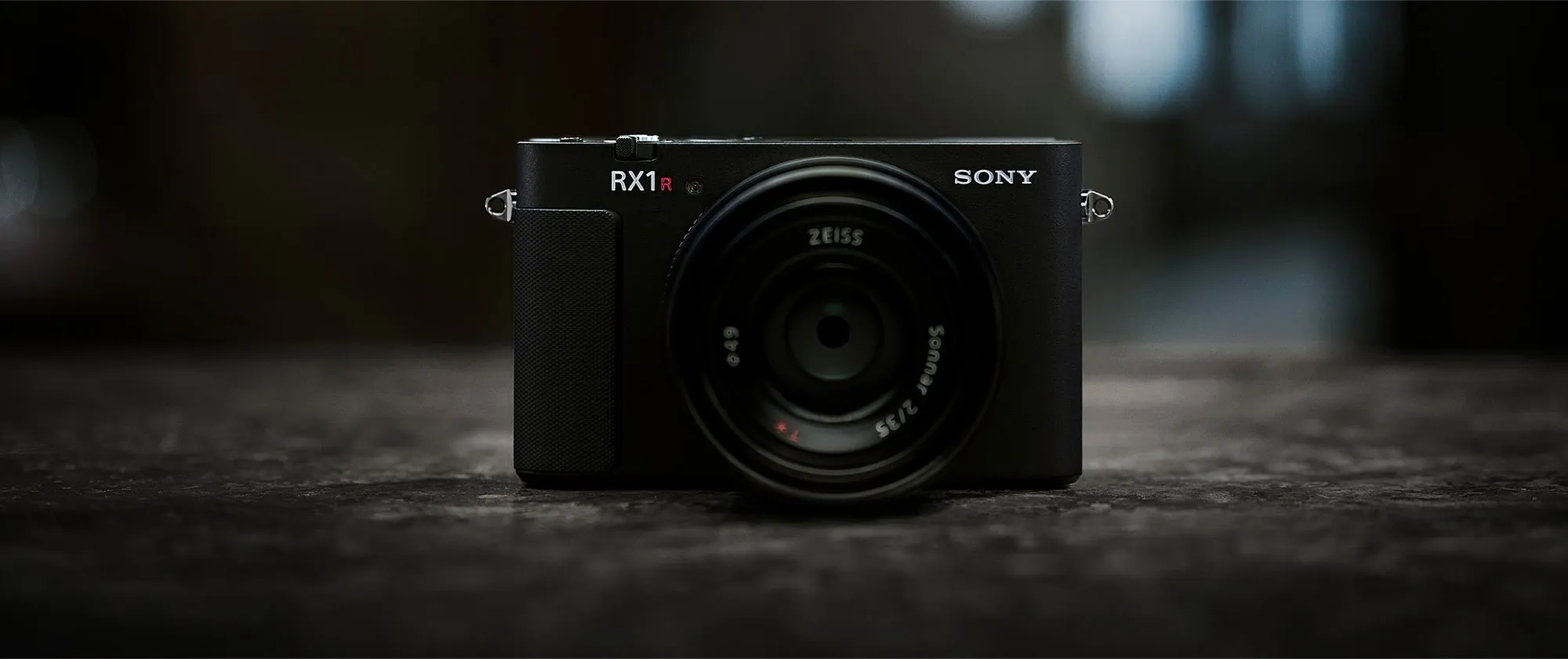
Sony has fitted a 61-megapixel full-frame sensor and a Zeiss Sonnar 35mm f/2 lens into a body considerably smaller than the Leica. The RX1R III is an impressive achievement in optical and electronic packaging, with sophisticated subject-recognition autofocus and excellent image quality. Its 35mm perspective is well suited to travel, street photography and environmental portraits. Sony’s controls are less direct than Leica’s traditional arrangement, however, and the absence of image stabilisation is a noticeable omission. The fixed rear screen and relatively modest viewfinder are further compromises. Its greatest achievement is the amount of photographic capability contained in such a small camera.
A complete outfit: Sony RX1R III (€4,899), spare battery and 128GB SD card (€170), fitted body case (€180), quality strap and compact bag (€200), premium 49mm protective filter (€70) and compact travel tripod (€400). Remote control is available through Sony’s smartphone app. Approximately €5,920.
Strengths: Remarkably compact, superb sensor, excellent autofocus, high-quality Zeiss lens.
Limitations: No image stabilisation, fixed rear screen, small viewfinder, limited handling space.
Fujifilm X100VI: The pleasure of photography
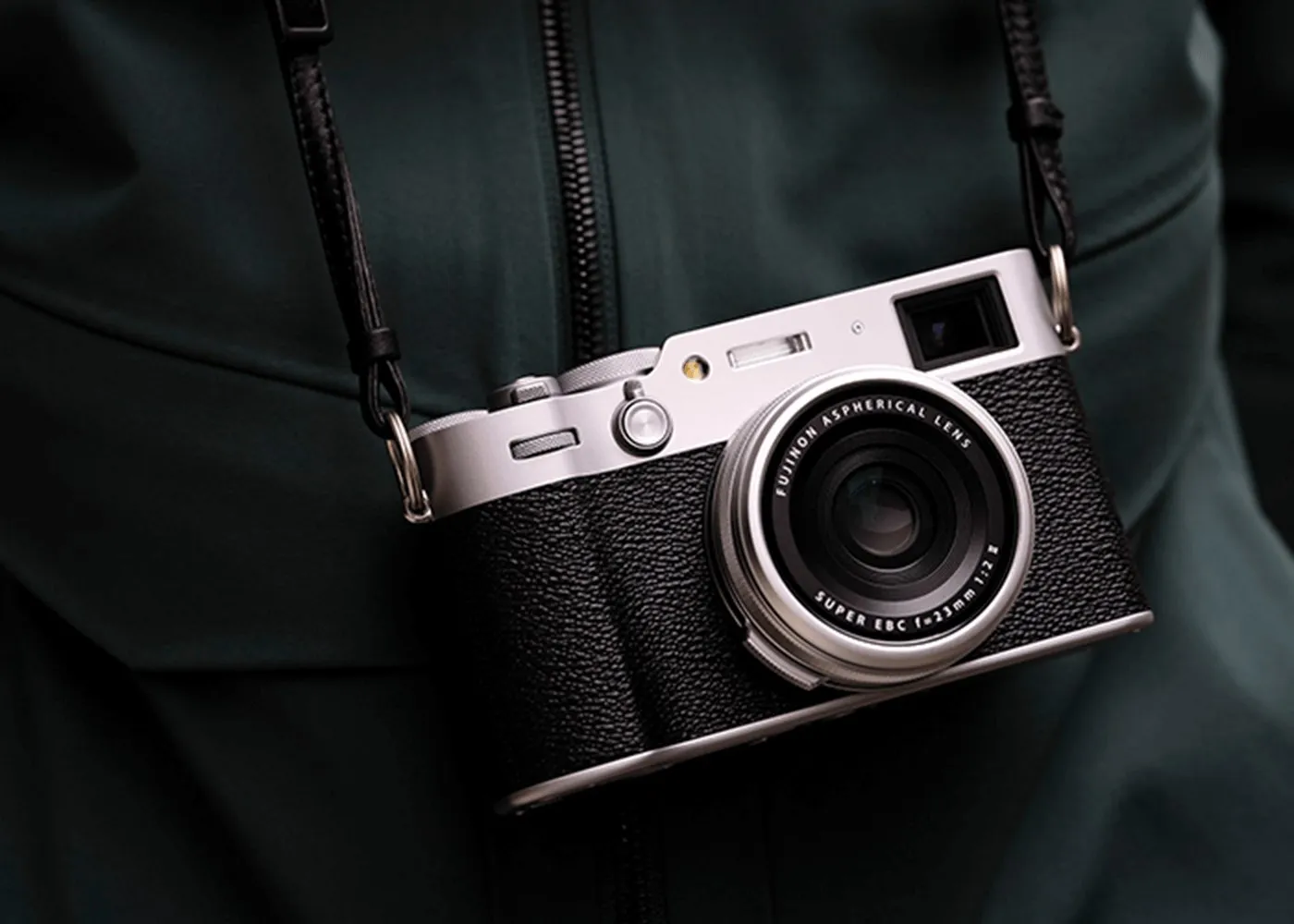
The X100VI offers a particularly engaging combination of modern technology and traditional controls. Its 40-megapixel APS-C sensor is paired with a fixed 23mm f/2 lens, equivalent to approximately 35mm on full-frame. The hybrid optical and electronic viewfinder is a distinctive feature, allowing the photographer to choose between seeing the scene directly and previewing the recorded image. Fujifilm’s film simulations also produce attractive JPEG files, reducing the need for extensive editing when the desired appearance suits one of the available profiles. Its autofocus and lens are less impressive than those of some more costly cameras, but the X100VI is widely regarded as an exceptionally enjoyable camera to use.
A complete outfit: Fujifilm X100VI (€1,999), spare battery and 128GB SD card (€130), leather case and strap (€120), AR-X100 adapter and PRF-49 protective filter (€120), compact camera bag (€100), lightweight travel tripod (€200) and RR-100 remote release (€70). Approximately €2,740.
The adapter and filter are particularly worthwhile because Fujifilm specifies them for the camera’s weather resistance.
Strengths: Hybrid viewfinder, direct controls, excellent JPEG processing, attractive design.
Limitations: Fixed focal length, comparatively modest autofocus, less optical refinement than the finest full-frame compacts.
Ricoh GR IV: The one that comes along
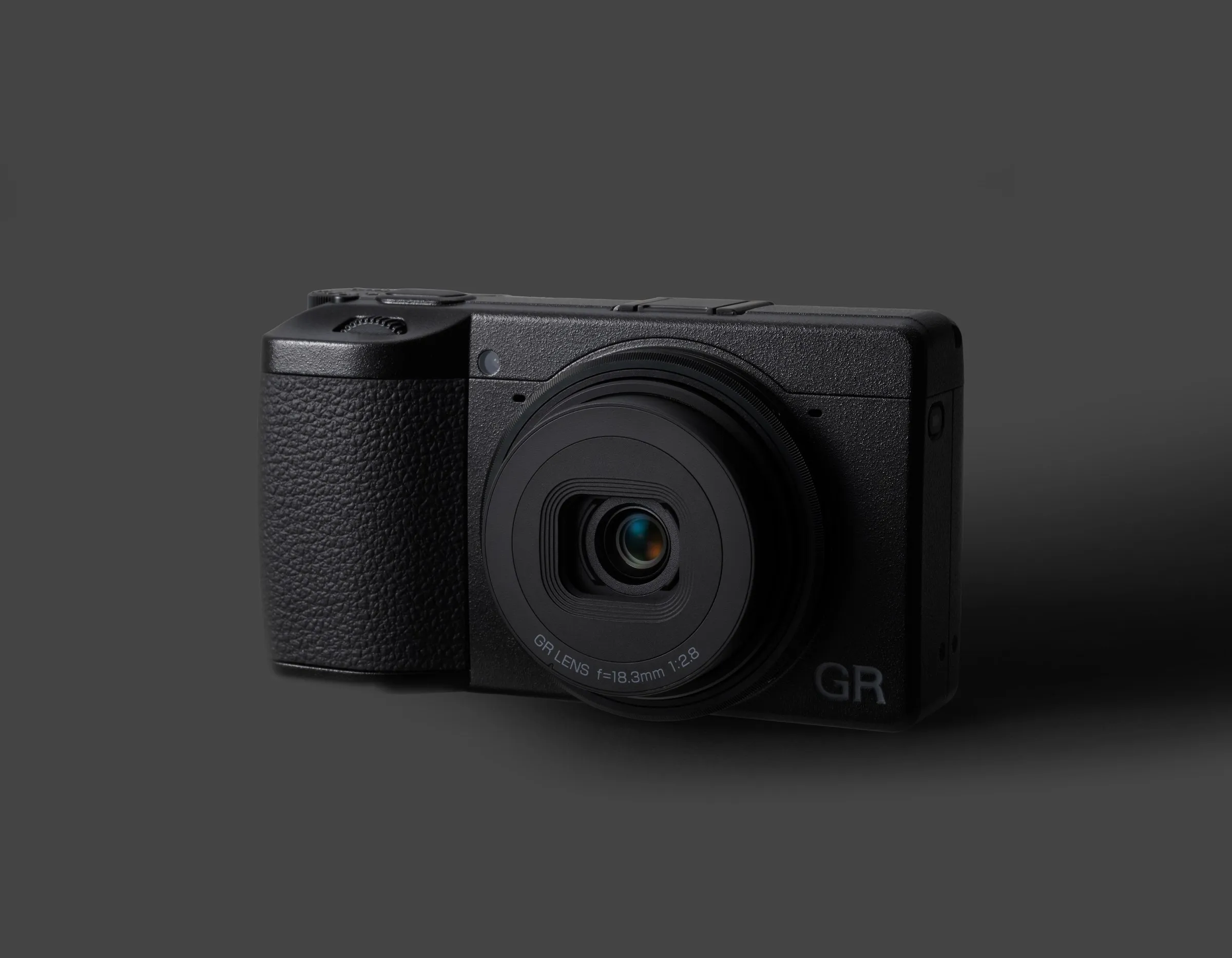
The Ricoh GR IV has a compelling advantage over almost every other camera here: it genuinely fits into a pocket. Its 26-megapixel APS-C sensor and excellent 28mm-equivalent lens offer remarkable image quality for something so small. Ricoh’s Snap Focus system allows the photographer to work with a predetermined focusing distance, making the camera particularly responsive for candid photography. The controls are designed for quick operation, often with one hand. There is no built-in viewfinder, and the small body inevitably imposes limitations on handling and battery capacity. Yet the GR IV is a particularly convincing expression of that old advice about always having a camera with you.
A complete outfit: Ricoh GR IV (€1,449), spare battery and memory card (€110), leather pouch and finger strap (€115) and lightweight compact tripod (€170). Remote shutter control is available through Ricoh’s smartphone app. Approximately €1,845.
A permanent protective filter is deliberately omitted. The required adapter would significantly increase the size of a camera whose greatest quality is its pocketability.
Strengths: Truly pocketable, excellent lens, responsive controls, discreet.
Limitations: No built-in viewfinder, modest battery life, fixed wide-angle perspective, limited continuous autofocus.
Sony Alpha 7: A system for almost anything
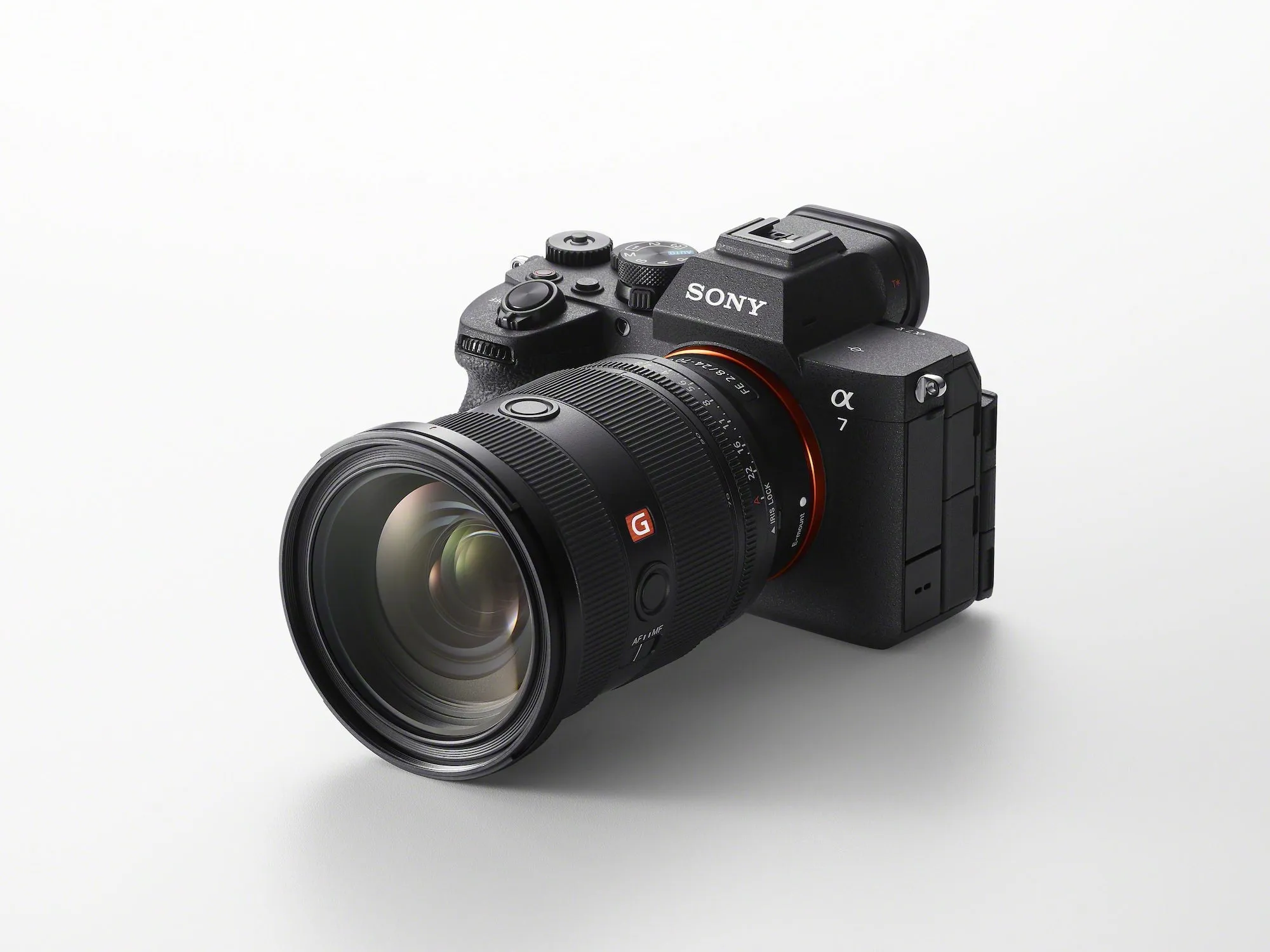
Sony’s Alpha 7 family offers an unusually broad choice of full-frame cameras and compatible lenses. The A7 V, with its 33-megapixel sensor, sophisticated autofocus and excellent all-round performance, is a particularly attractive starting point. Photographers who want still greater resolution can turn to the A7R range. Sony’s greatest strength is the maturity of its E-mount system, with outstanding lenses from Sony, Zeiss, Sigma, Tamron and others. A compact 35mm prime makes an Alpha surprisingly unobtrusive; a professional zoom transforms it into a different proposition. The controls require some familiarity, but the possibilities are extensive.
A complete outfit: Sony A7 V (€2,999), Sony FE 24–105mm f/4 G OSS (€1,000), spare battery and memory card (€210), comfortable strap and quality shoulder bag (€250), premium 77mm protective filter (€90), travel tripod (€400) and compatible remote shutter release (€80). Approximately €5,030.
The 24–105mm is a particularly useful everyday lens, combining a generous range with optical stabilisation and manageable dimensions.
Strengths: Excellent autofocus, extensive lens selection, versatile, relatively compact body.
Limitations: Somewhat complex interface, the finest specialist lenses can be substantial, system costs can accumulate.
Canon EOS R5 Mark II: Effortless capability
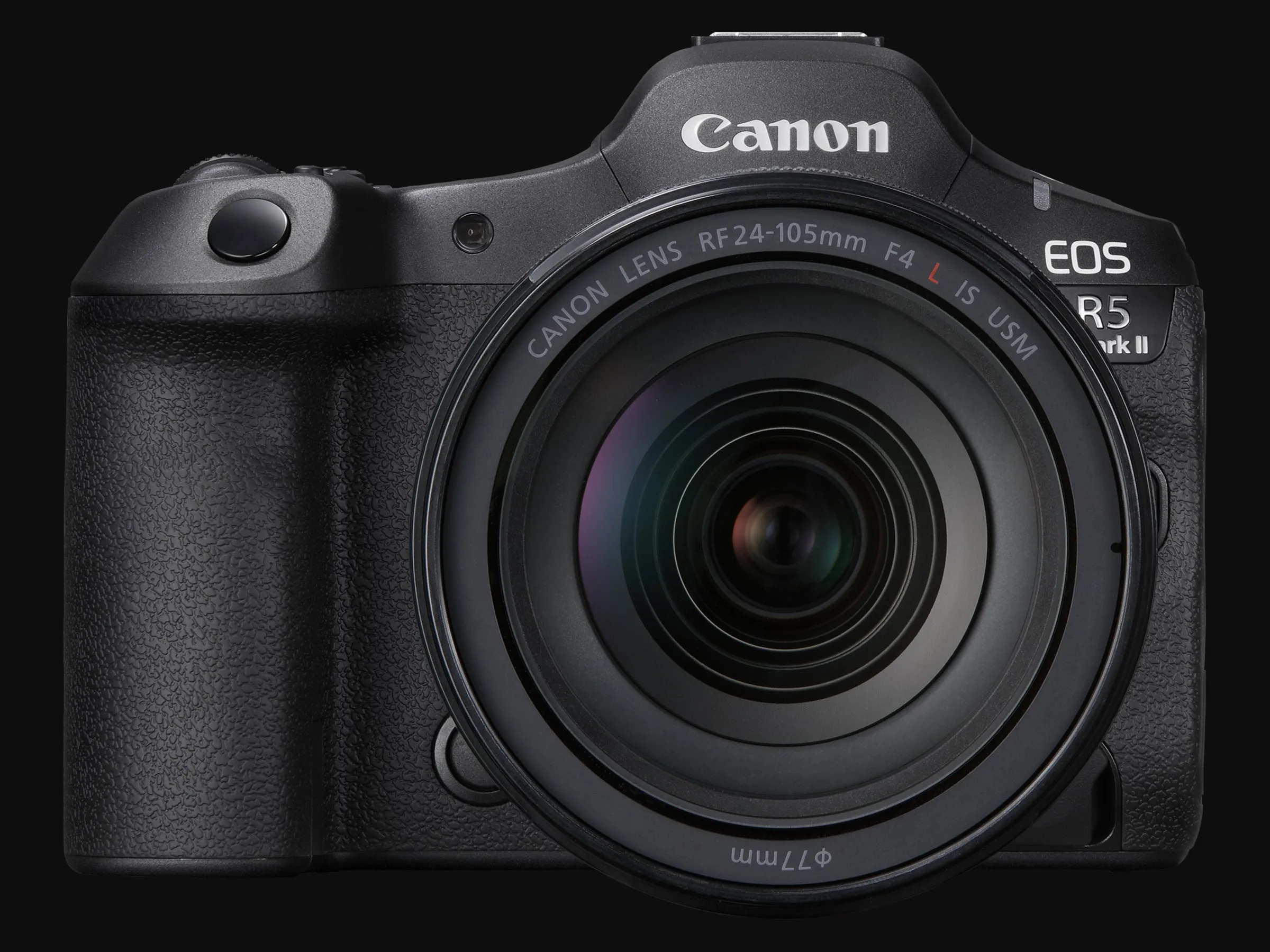
The Canon EOS R5 Mark II combines a 45-megapixel full-frame sensor with excellent autofocus, sophisticated image stabilisation and a control layout reviewers consistently praise. Its subject recognition makes photographing moving people, animals and vehicles considerably easier, while Eye Control AF can allow the photographer to select a subject simply by looking towards it in the viewfinder. That feature does not work equally well for everyone, but it is a fascinating attempt to make camera operation more immediate. Canon’s RF lenses include exceptional large-aperture primes and professional zooms. The R5 Mark II is highly capable across a remarkable range of subjects, although some of its finest lenses are substantial pieces of equipment.
A complete outfit: Canon EOS R5 Mark II (€4,299), RF 24–105mm f/4L IS USM (€1,300), spare battery and memory cards (€320), comfortable strap and quality camera bag (€250), premium 77mm protective filter (€90), travel tripod (€400) and compatible remote shutter release (€80). Approximately €6,740.
Canon’s 24–105mm f/4L is an excellent everyday companion, offering a versatile range and image stabilisation in a professionally constructed lens.
Strengths: Excellent handling, outstanding autofocus, stabilisation, versatile lens system.
Limitations: More equipment to carry than a fixed-lens compact, costly specialist lenses, Eye Control AF depends on the individual user.
Nikon Z8 and Z9: Professional excellence
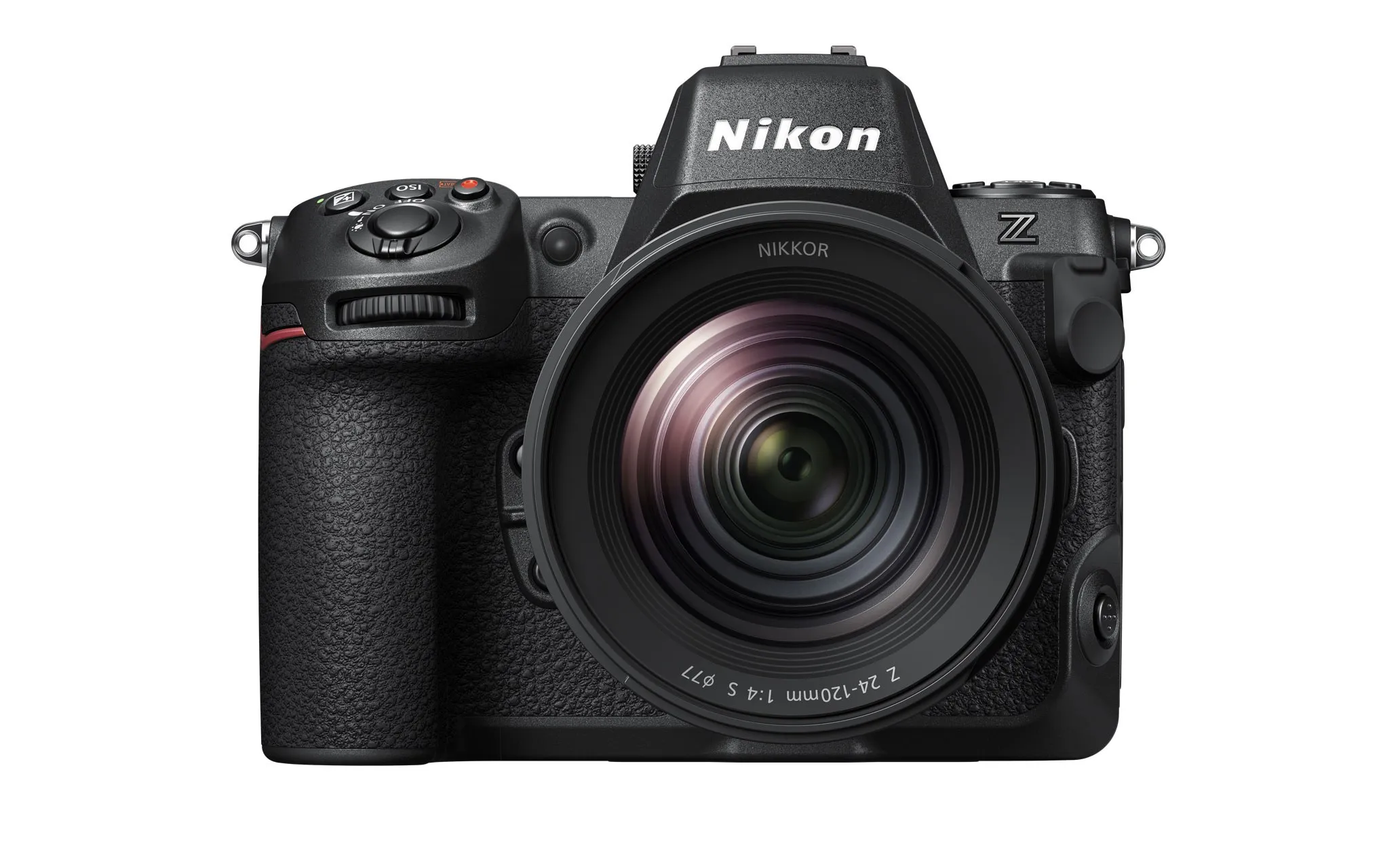
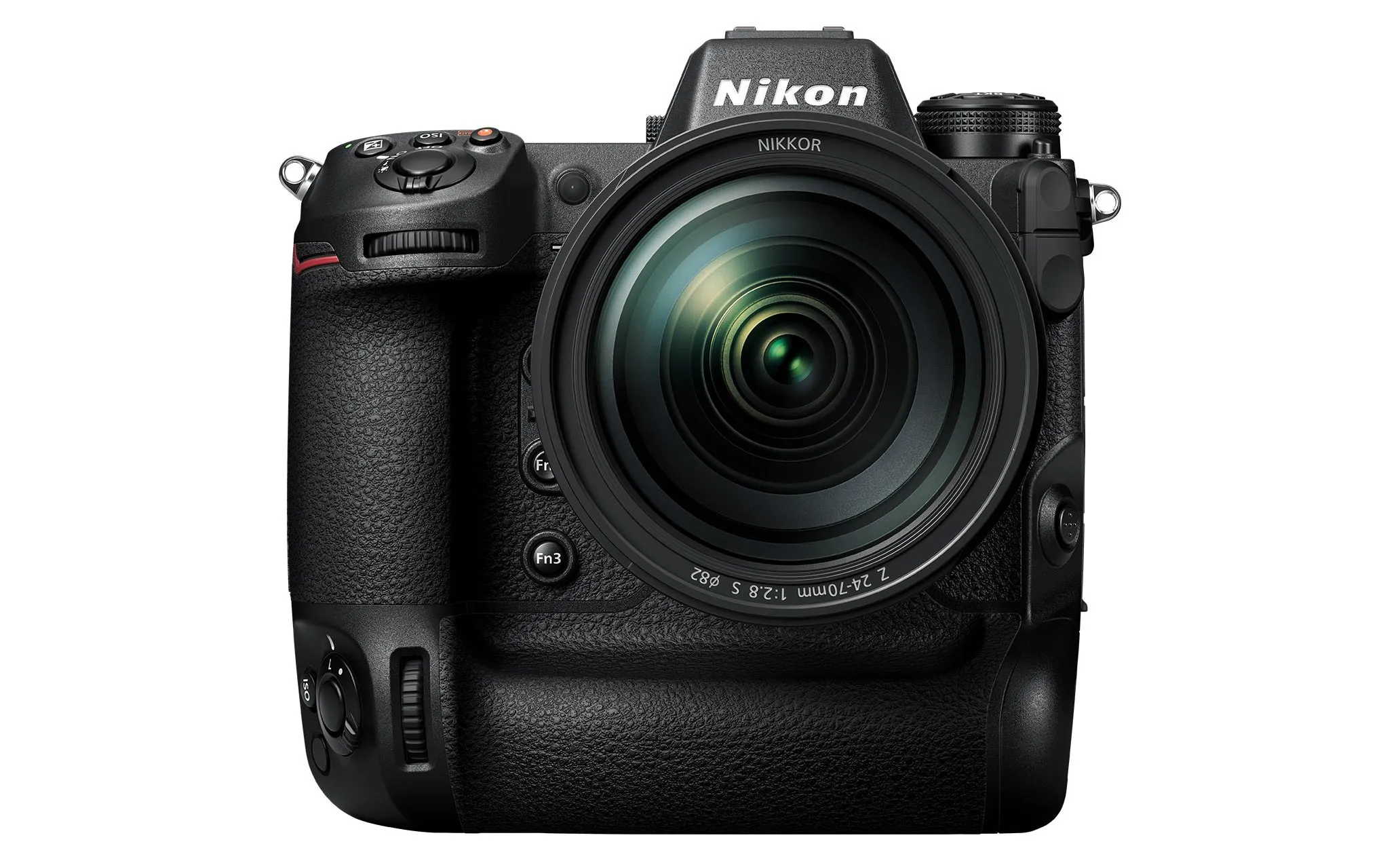
The Nikon Z8 offers much of the technology of the flagship Z9 in a smaller body. Both use a 45.7-megapixel stacked full-frame sensor, delivering outstanding image quality alongside exceptionally fast autofocus and continuous shooting. The Z9’s integrated vertical grip and large battery are advantages for intensive professional work, while the Z8 is more convenient for general photography. Nikon’s Z lenses are among the principal attractions, particularly the excellent S-Line primes and zooms. The cameras provide extensive customisation and unusually direct access to important functions. They are comparatively large, particularly with professional lenses attached, but their extensive direct controls are designed to make demanding photography more straightforward.
A complete Z8 outfit: Nikon Z8 (€4,599), Nikkor Z 24–120mm f/4 S (€1,100), spare battery and memory card (€270), comfortable strap and quality camera bag (€250), premium 77mm protective filter (€90), carbon travel tripod (€500) and compatible remote shutter release (€80). Approximately €6,890.
A complete Z9 outfit: Nikon Z9 (€5,700), the same Nikkor Z 24–120mm f/4 S (€1,100), spare battery and memory card (€380), comfortable strap and camera bag (€300), premium 77mm protective filter (€90), quality carbon tripod (€650) and compatible remote shutter release (€80). Approximately €8,300.
The Nikkor Z 24–120mm f/4 S is a particularly compelling lens: optically excellent, versatile and comparatively manageable for its range.
Strengths: Exceptional autofocus, speed, professional controls, outstanding Z lenses.
Limitations: Size and weight, considerable complexity, substantial professional equipment.
Hasselblad X2D II 100C: The luxury of resolution
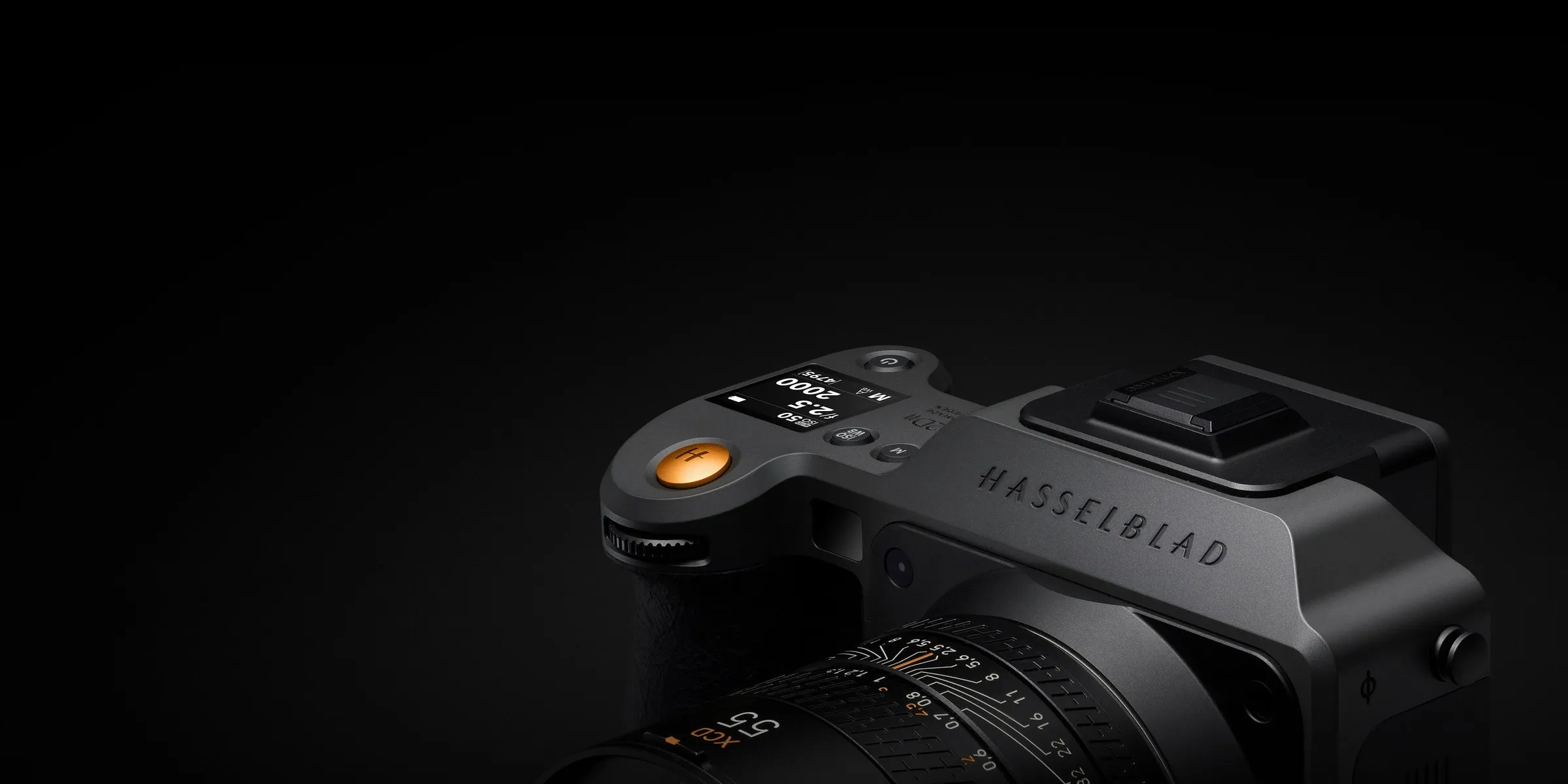
Hasselblad’s X2D II 100C combines a 100-megapixel sensor measuring approximately 44 × 33mm with elegant industrial design, excellent XCD lenses and an interface that places relatively little between the photographer and the image. The larger sensor provides substantial resolution and considerable scope for tonal refinement, particularly in carefully exposed landscapes, portraits and architectural photographs. Hasselblad’s colour rendering is another important attraction. The XCD lenses employ leaf shutters, permitting flash synchronisation at unusually short exposure times. Although the camera is more approachable than traditional medium-format equipment, its highest image quality rewards careful technique, excellent lighting and substantial attention during RAW development.
A complete outfit: Hasselblad X2D II 100C (€7,200), XCD 55mm f/2.5 V (€4,199), spare battery (€150), quality leather strap and protective bag (€430), premium 72mm protective filter (€120), high-quality carbon tripod (€600) and Hasselblad Release Cord X (€83). Approximately €12,780.
The 55mm lens provides a field of view comparable to approximately 43mm on full-frame. The camera’s internal SSD provides convenient storage while shooting, although a separate archive remains essential.
Strengths: Exceptional resolution, beautiful colour, outstanding lenses, elegant construction and controls.
Limitations: Large files, slower overall workflow, costly lenses, demanding processing and archiving.
Hasselblad 907X & CFV 100C: A different rhythm
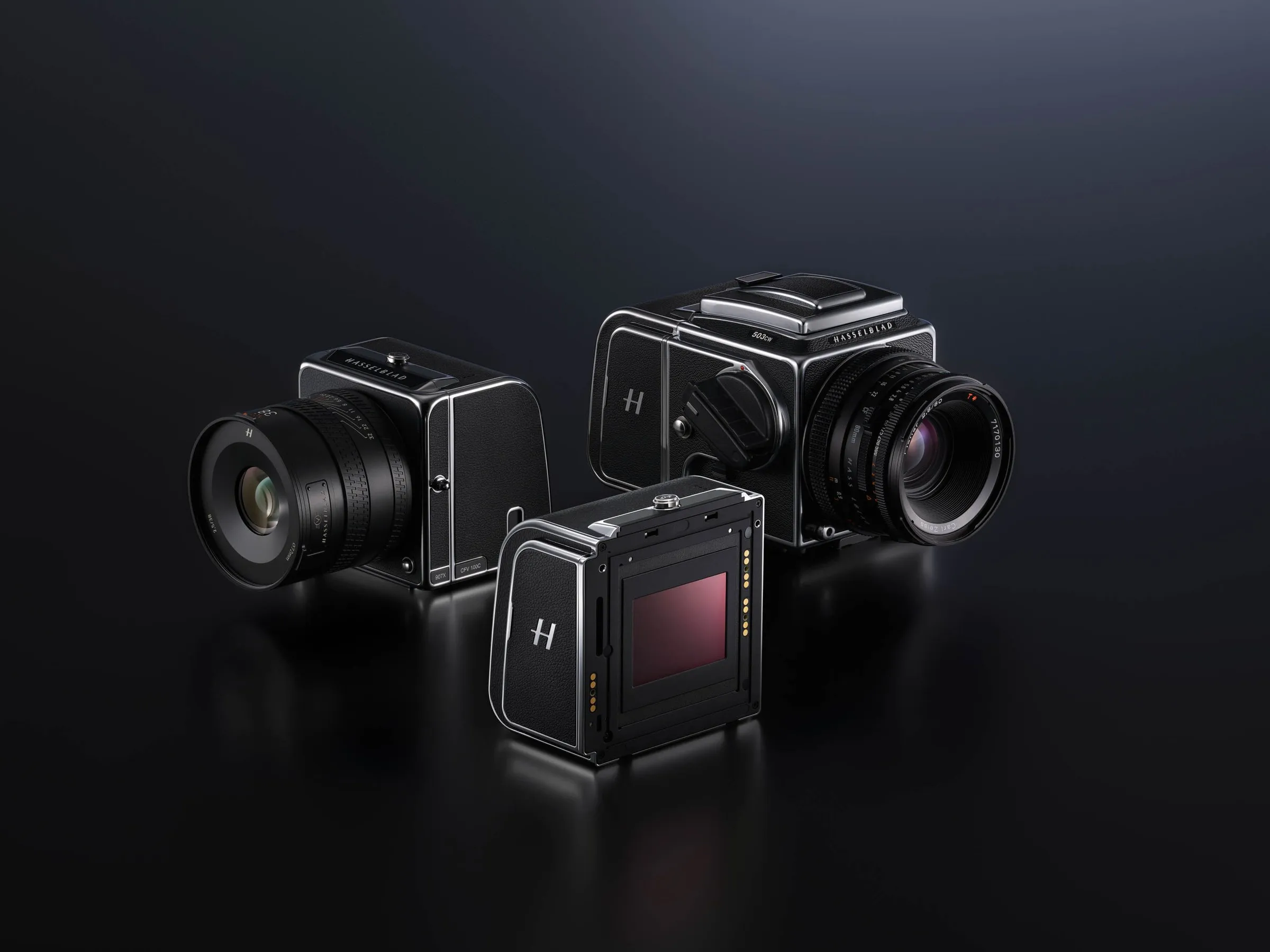
The 907X and CFV 100C offer a distinctly different approach to the same 100-megapixel sensor format. The remarkably thin camera body attaches to a digital back that can also be used with compatible classic Hasselblad V-system cameras. Its waist-level shooting arrangement encourages a deliberate, considered way of working, particularly attractive for landscapes, architecture and composed portraits. There is no built-in stabilisation, and operating the camera requires more attention than using a conventional modern mirrorless system. The reward is a beautifully designed instrument with an unusual connection to the history of professional photography. It is an especially appealing camera for someone who enjoys the entire process of making an image.
A complete outfit: Hasselblad 907X & CFV 100C (€7,799), XCD 55mm f/2.5 V (€4,199), spare battery and memory card (€270), quality leather strap and protective bag (€430), premium 72mm protective filter (€120), high-quality carbon tripod (€600) and Hasselblad Release Cord X (€83). Approximately €13,500.
A tripod is particularly valuable here because the camera lacks in-body stabilisation. The cable release further reduces the risk of introducing vibration during carefully composed exposures.
Strengths: Extraordinary design, superb image quality, compatibility with classic Hasselblad equipment, distinctive photographic experience.
Limitations: No stabilisation, slower operation, less convenient ergonomics, substantial processing requirements.
After the shutter: three ways to work with your images
A good camera is only part of a photographic system. Developing RAW files requires a capable computer, and a growing image collection needs reliable storage and backup. The appropriate investment depends on how much you photograph and how extensively you edit.
| Casual | Serious | Hasselblad | |
|---|---|---|---|
| Computer | 14-inch MacBook Pro, M5, 16–24GB memory | MacBook Pro M5 Pro, 24–48GB memory | 16-inch MacBook Pro M5 Max, 64GB+ memory |
| Display | Built-in MacBook display | 27-inch calibrated photographic monitor | Large Eizo ColorEdge or equivalent |
| Storage | 1–2TB cloud storage, local backup | Fast SSD, 8–16TB archive and independent backup | High-capacity fast storage, substantial archive and multiple backups |
| Software | Lightroom | Lightroom / Capture One, Photoshop | Phocus / Capture One, Photoshop |
| Indicative initial investment | €2,000–€2,500 | €5,400–€7,650 | €11,700–€20,000 |
Software subscriptions, cloud storage and off-site backups add recurring costs. The estimates exclude the cameras themselves.
The casual setup is already capable of developing excellent high-resolution images. More substantial equipment becomes attractive when working with large collections, complex edits or demanding print production. A 100-megapixel Hasselblad does not require the most powerful computer available, although regularly processing hundreds of its files makes additional memory, processing power and storage particularly welcome.
Whatever the system, an independent backup is essential. A valuable photographic archive deserves the same care as the equipment used to create it.
What makes a camera the best?
There is something particularly attractive about the fact that these cameras achieve excellence in such different ways. The Leica Q3 43 offers outstanding optics and an unusually satisfying physical design. Sony’s RX1R III demonstrates how much image quality can be contained in a very small package. Fujifilm and Ricoh have developed cameras whose proportions and controls encourage a more casual approach to photography, while Canon, Nikon and Sony offer interchangeable-lens systems with extraordinary technical range.
The Hasselblads introduce another possibility: extremely high-resolution images produced through a more considered photographic process, with exceptional optics and considerable freedom in the final rendering.
For someone who values a beautifully made object as much as its photographic capabilities, the Leica and Hasselblad possess a particular appeal. Their materials, proportions and controls have been considered with the same seriousness as their imaging technology. A Nikon Z8 or Canon R5 Mark II can offer a different sort of satisfaction, through the confidence that its operation will remain predictable even in demanding circumstances.
Ultimately, a fine camera is an instrument whose qualities become more apparent through use. The better its owner understands the relationship between light, optics, exposure and composition, the more it can accomplish.
And that is an exceptionally attractive reason to own one.
Prices are indicative Dutch retail prices, including VAT, as of November 2026. Complete outfits are illustrative configurations rather than individual retailer quotations. Camera prices and availability may vary.
Sources
- NEW: Leica Q3 43, Leica Camera
- Sony introduces the RX1R III, Sony Europe
- Fujifilm X100VI, Fujifilm
- GR IV specifications, Ricoh Imaging
- Sony a7 V review, DPReview
- Hasselblad X2D II 100C review, DPReview
- Hasselblad 907X & CFV 100C, Newsshooter
- Apple unveils MacBook Pro with M5 Pro and M5 Max, MacRumors