Gadgets · In Depth
The Perfect Cup of Coffee
From the convenience of Nespresso to the precision of a professional espresso machine, making excellent coffee can be as simple or as involved as you like. The equipment is rather interesting, too.
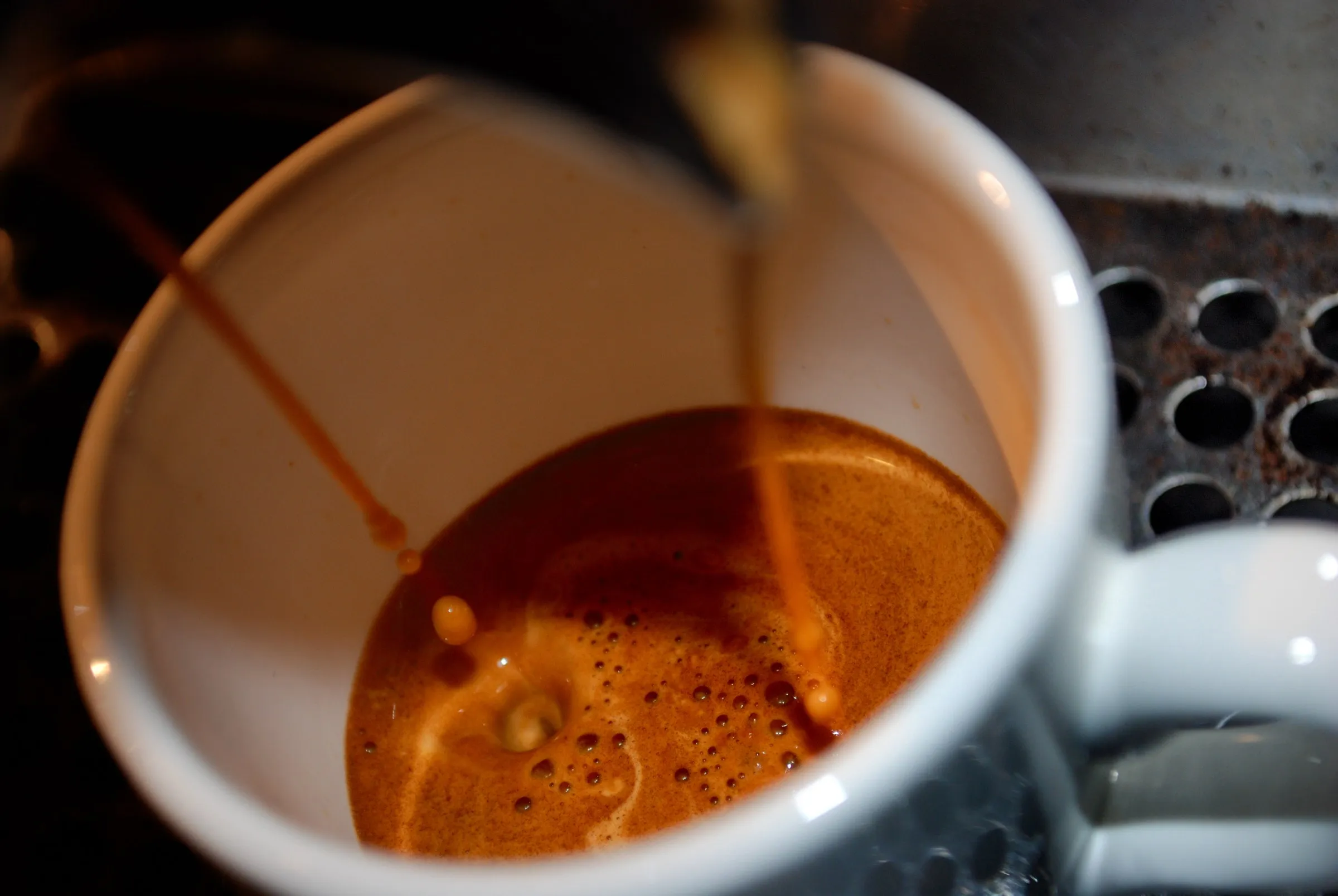
A good cup of coffee is one of life’s more accessible pleasures. It takes only a few minutes to prepare, can be enjoyed several times a day and offers an extraordinary variety of flavours. Depending on the beans and their preparation, coffee can taste rich and chocolatey, bright and fruity, delicately floral or pleasantly bitter.
Making it well is also an interesting technical problem. Roasted coffee contains hundreds of flavour and aroma compounds, and brewing involves extracting the right combination of them into water. Temperature, grind size, contact time and the ratio of coffee to water all influence the result. Espresso adds pressure to the equation, along with the difficulty of forcing water evenly through a small bed of finely ground coffee.
Fortunately, excellent coffee does not require a detailed understanding of extraction chemistry. A good machine can control most of the important variables, leaving its owner to choose a coffee and press a button. Alternatively, a professional-grade espresso installation allows the enthusiast to adjust almost every aspect of the process.
Both can make wonderful coffee. The difference lies largely in how much work you want to do yourself.
The beans matter
The coffee itself has an enormous influence on the result. Even the finest espresso machine cannot restore the aromatic compounds lost from stale beans, or turn a heavily roasted coffee into something delicate and floral.
Freshly roasted beans are generally preferable, although espresso coffee often benefits from resting for several days after roasting. Finding a roasting style you enjoy is at least as important as choosing the equipment.
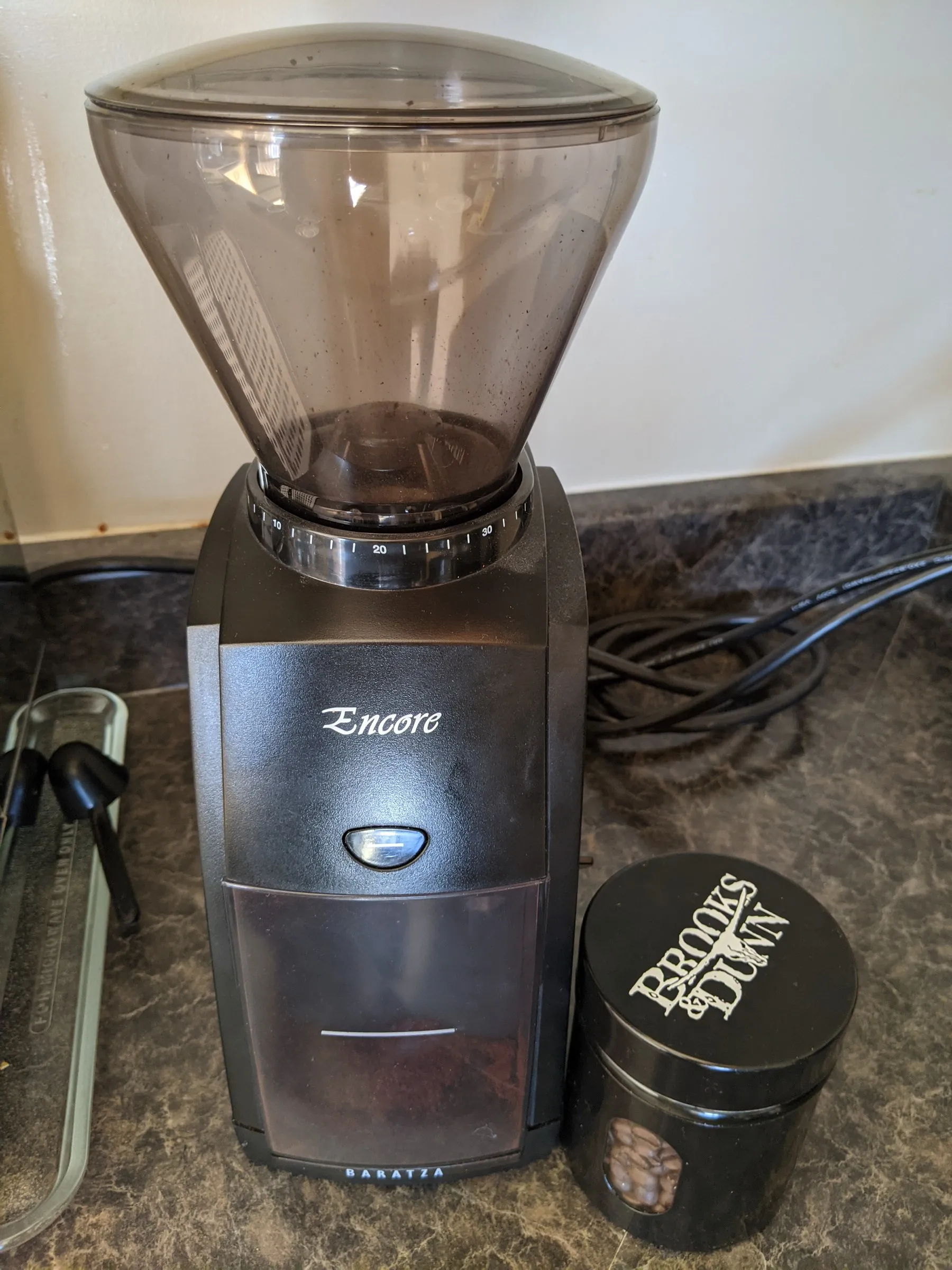
The grinder matters, too. Consistent grinding helps water extract flavour evenly, while small changes in grind size can have a dramatic effect on an espresso. A good grinder is consequently one of the most worthwhile investments in a serious coffee installation.
Water quality deserves attention. Its mineral composition influences flavour, and excessive hardness can cause scale inside a machine. Manufacturers generally provide guidance on suitable water, which is worth following.
With those essentials in place, there are several excellent ways to make coffee at home.
Nespresso Pixie: Consistency without ceremony
The Nespresso Pixie is a fine example of mass-produced convenience. Its compact design, rapid heating and straightforward operation allow it to prepare a perfectly respectable espresso-style coffee in moments. Each capsule contains a measured quantity of ground coffee in protective packaging, eliminating most of the variables involved in traditional espresso preparation. The choice of coffees is extensive, and cleaning requires little effort. You give up control over the extraction, pay more per cup and are limited to the coffee offered in compatible capsules. Nevertheless, for someone who wants consistently good coffee without making a project of it, the Pixie is hard to fault.
A complete outfit: Nespresso Pixie (€159), capsule dispenser (€40), two good espresso cups (€35), 100 assorted capsules (€50) and descaling supplies (€15). Approximately €300.
Strengths: Extremely convenient, compact, consistent, good industrial design, minimal cleaning.
Limitations: Little control over extraction, capsule costs, limited coffee selection, relatively small doses.
Sage Oracle Jet: The machine that does the work
The Sage Oracle Jet combines much of the capability of a traditional espresso machine with the convenience of an automatic one. It grinds, doses and tamps coffee into a 58mm portafilter, then helps the user obtain a suitable extraction. Its ThermoJet heating system reaches operating temperature quickly, and automatic milk texturing takes much of the work out of preparing cappuccinos and flat whites. The machine handles the more repetitive parts of espresso preparation while retaining some of the flexibility of a conventional machine. Its integrated grinder is convenient, although separate equipment offers more scope for experimentation and future upgrades.
A complete outfit: Sage Oracle Jet (€1,900), precision coffee scale (€100), knock box (€50), milk pitcher and cleaning accessories (€70), water filtration supplies (€80) and speciality coffee beans (€50). Approximately €2,250.
Strengths: Automated grinding, dosing and tamping, fast heating, convenient operation, capable milk preparation.
Limitations: Less flexibility than separate equipment, substantial dimensions, integrated grinder, regular cleaning required.
Jura Z10: The sophisticated fully automatic
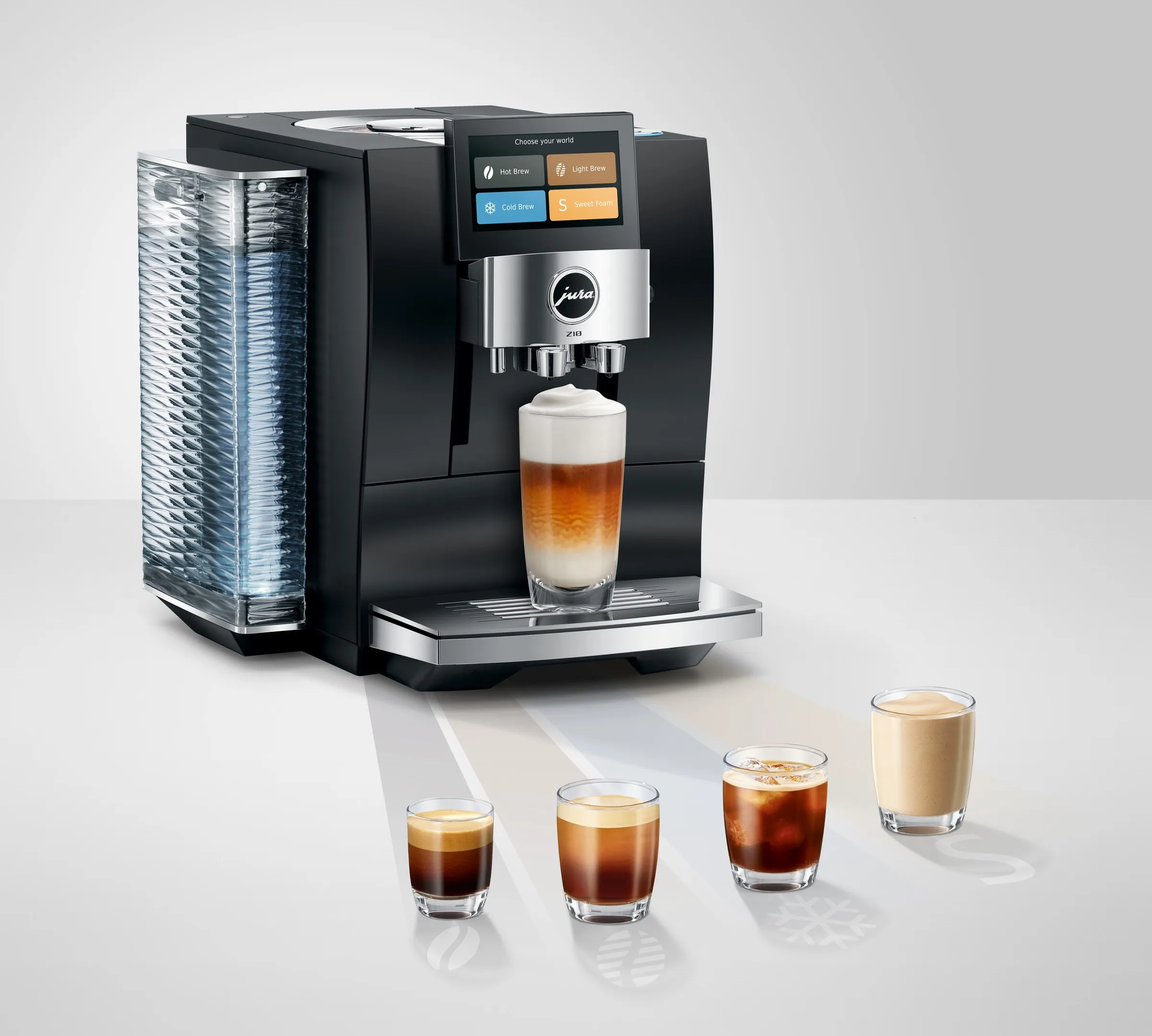
Jura’s Z10 handles the entire preparation process, from grinding the beans to dispensing the finished drink. Its grinder automatically adjusts to different recipes, while the touchscreen provides a substantial selection of hot and cold coffees, including milk-based specialities. Users can adjust recipes to their preferences without handling ground coffee or a portafilter. This makes the Z10 particularly useful in a household where several people enjoy different drinks. The automated milk system and internal brewing mechanism require regular maintenance, and the machine provides less direct control over extraction than a traditional espresso setup.
A complete outfit: Jura Z10 (€2,700), milk container or cooler (€150), water filters and cleaning supplies (€100), good cups (€80) and speciality coffee beans (€50). Approximately €3,080.
Strengths: Convenient bean-to-cup preparation, broad drink selection, adjustable recipes, integrated grinder, automatic cleaning programmes.
Limitations: Limited access to the brewing process, proprietary maintenance supplies, complex internal mechanism, substantial size.
La Marzocco Linea Mini: A little Italian engineering
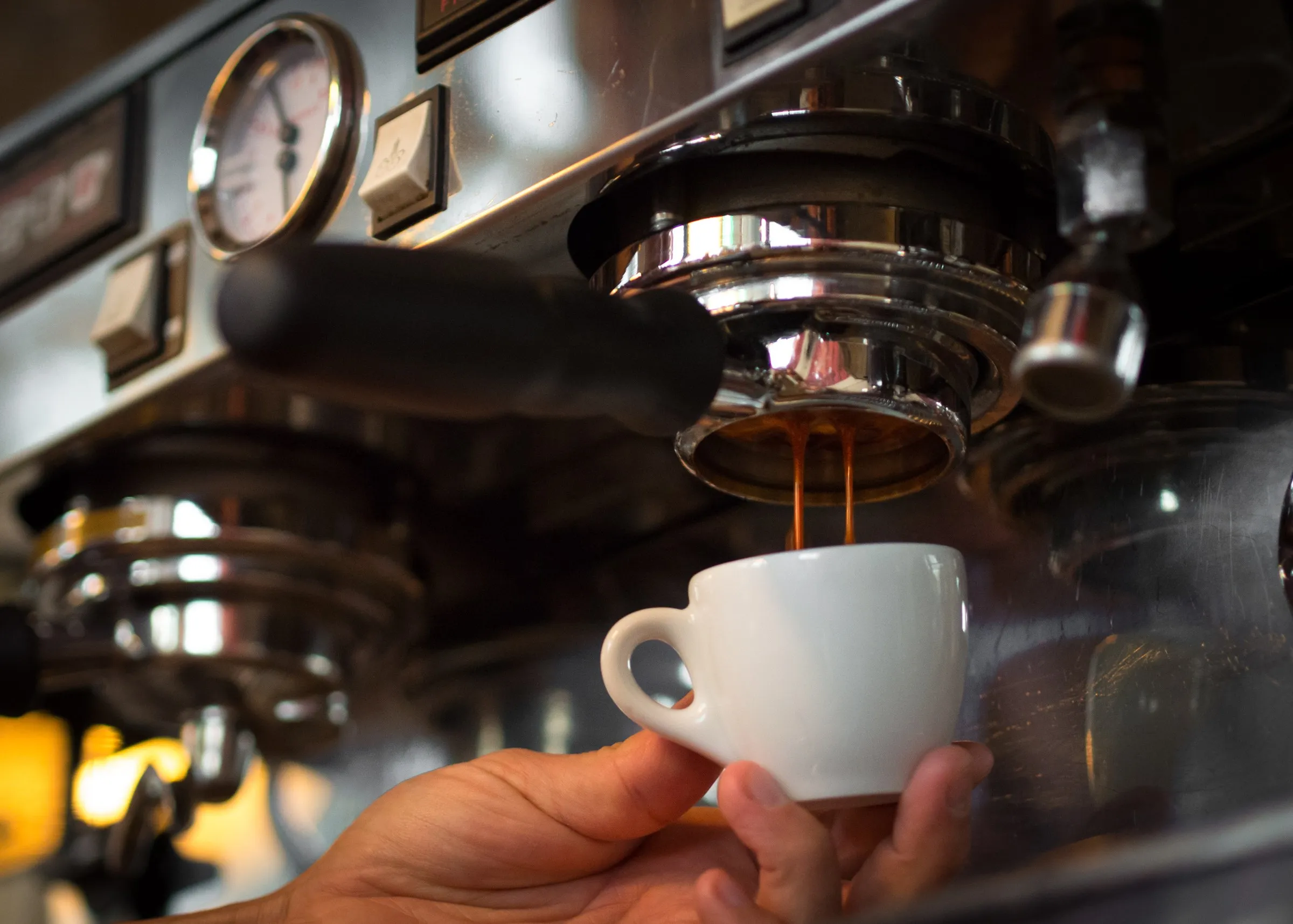
The Linea Mini brings La Marzocco’s commercial espresso technology into the home. Its dual-boiler construction maintains stable brewing temperatures and provides ample steam power, while the traditional portafilter and paddle give the user direct control over preparation. Modern versions add app-based settings and optional brew-by-weight operation, stopping the extraction automatically when the desired quantity has been produced. The stainless-steel construction is exceptionally solid, and the compact interpretation of La Marzocco’s professional design looks splendid on a kitchen counter. Grinding, distributing and tamping the coffee remain manual tasks, and the machine deserves a first-rate grinder. In return, it provides the equipment needed to produce excellent espresso consistently.
A complete outfit: La Marzocco Linea Mini (€5,020), Mazzer Philos grinder (€1,200), precision scales and brew-by-weight equipment (€450), tamper and distribution accessories (€150), knock box and milk pitchers (€180), water treatment (€200) and cleaning supplies (€80). Approximately €7,280.
Strengths: Excellent temperature stability, professional construction, powerful steaming, beautiful design, direct operation.
Limitations: Requires preparation skill, separate grinder, regular cleaning, substantial counter space, limited pressure profiling.
Decent Espresso DE1: A laboratory for the kitchen
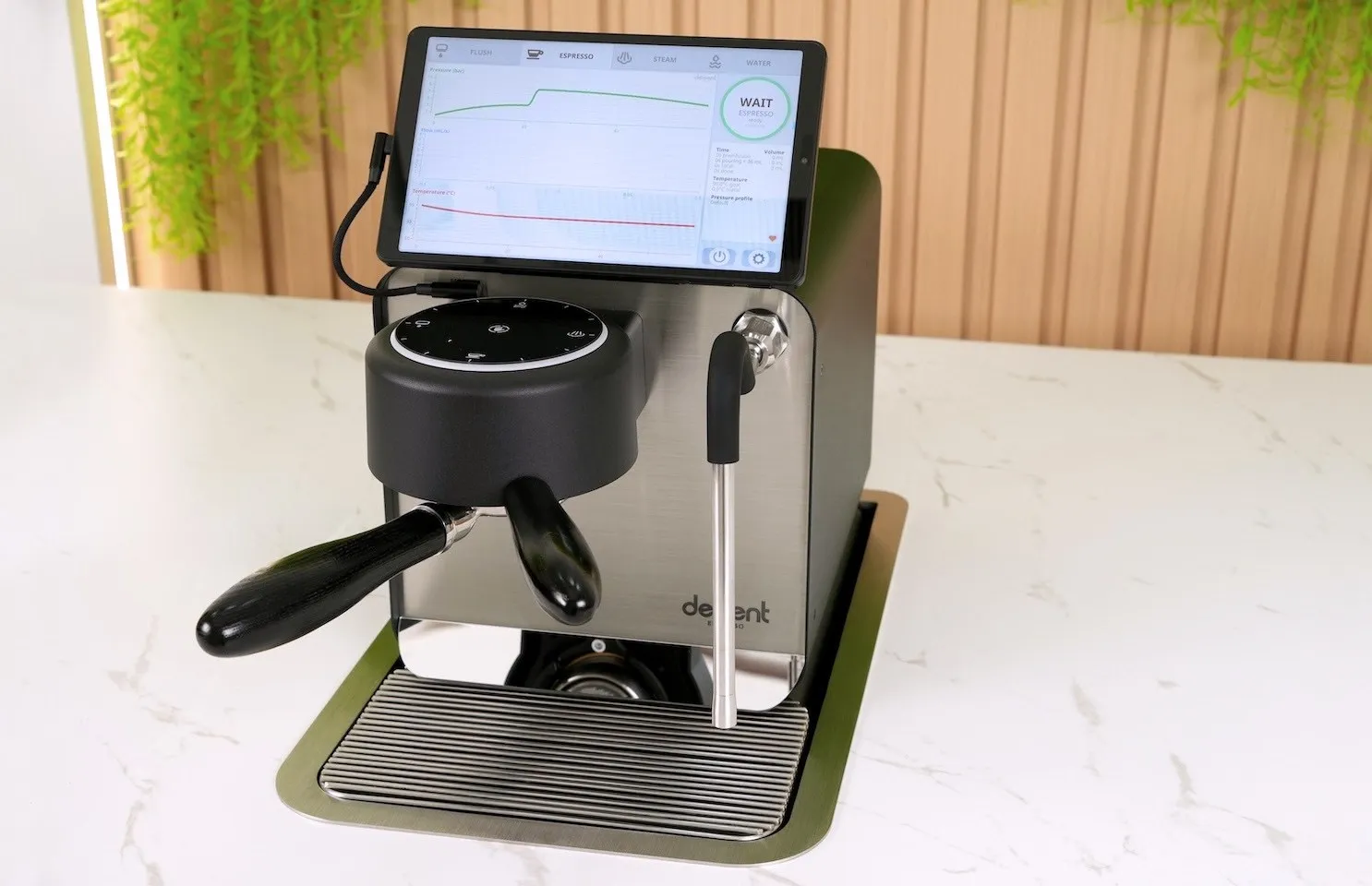
The Decent DE1 gives its owner extraordinary control over espresso extraction. Its electronically controlled system allows pressure, water flow and temperature to be programmed and monitored throughout the shot, with the results displayed graphically on a tablet. You can reproduce the behaviour of traditional machines, experiment with entirely different extraction profiles and save successful recipes for future use. Once configured, the DE1 can prepare a favourite coffee without requiring constant adjustment. Its technical capabilities are impressive, although learning to exploit them takes time. The tablet interface and modern appearance are quite different from the polished metal and mechanical controls of a conventional espresso machine.
A complete outfit: Decent DE1XL (approximately €4,500, depending on configuration, exchange rates and import charges), high-quality espresso grinder (€1,200), precision scale (€250), preparation accessories (€200), water treatment (€150) and cleaning equipment (€100). Approximately €6,400.
Strengths: Extensive control over extraction, repeatable profiles, detailed measurements, compact construction, enormous scope for experimentation.
Limitations: Learning curve, dependence on electronics and software, unconventional appearance, variable import costs.
Moccamaster KBG Select: A very good cup, every morning
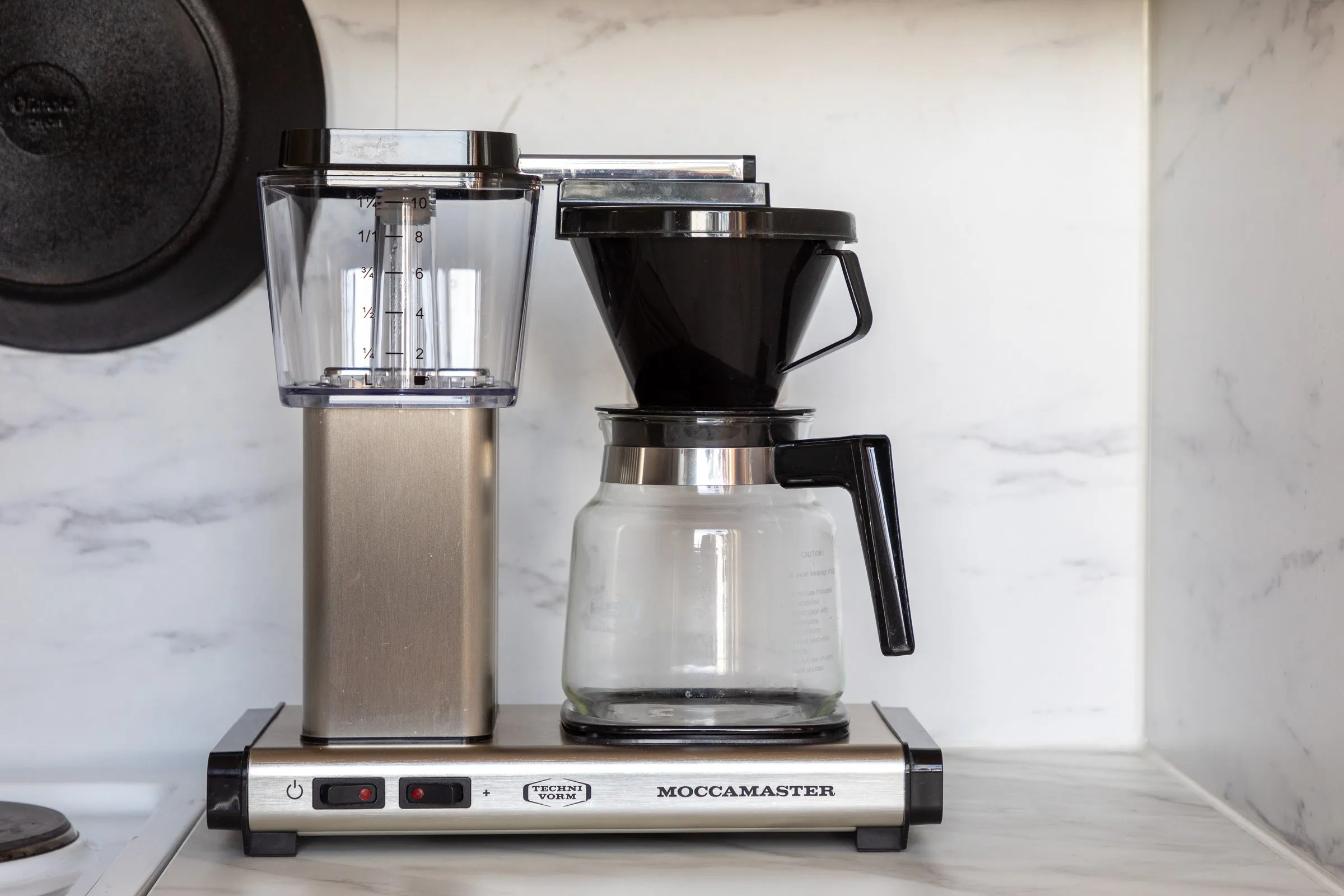
The Dutch-made Moccamaster has been refining a straightforward idea for decades. Its heating system brings water to the appropriate temperature for filter coffee, while the brewing arrangement distributes it over the grounds. The KBG Select accommodates smaller and larger batches, and its simple construction makes it easy to maintain. Replacement parts are available, and the manufacturer offers a five-year warranty. Good beans and a suitable grinder are essential, but the machine takes care of the brewing with little supervision. It is also a handsome appliance, available in enough colours to suit almost any kitchen.
A complete outfit: Moccamaster KBG Select (€265), Baratza Encore grinder (€150), coffee scale (€45), filter papers and cleaning supplies (€25), airtight coffee container (€35) and insulated serving jug (€60). Approximately €580.
Strengths: Consistent brewing, simple operation, repairability, distinctive design, several cups at once.
Limitations: Limited control over the brewing profile, separate grinder required, unsuitable for espresso.
Fellow Aiden: Precision filter coffee made easy
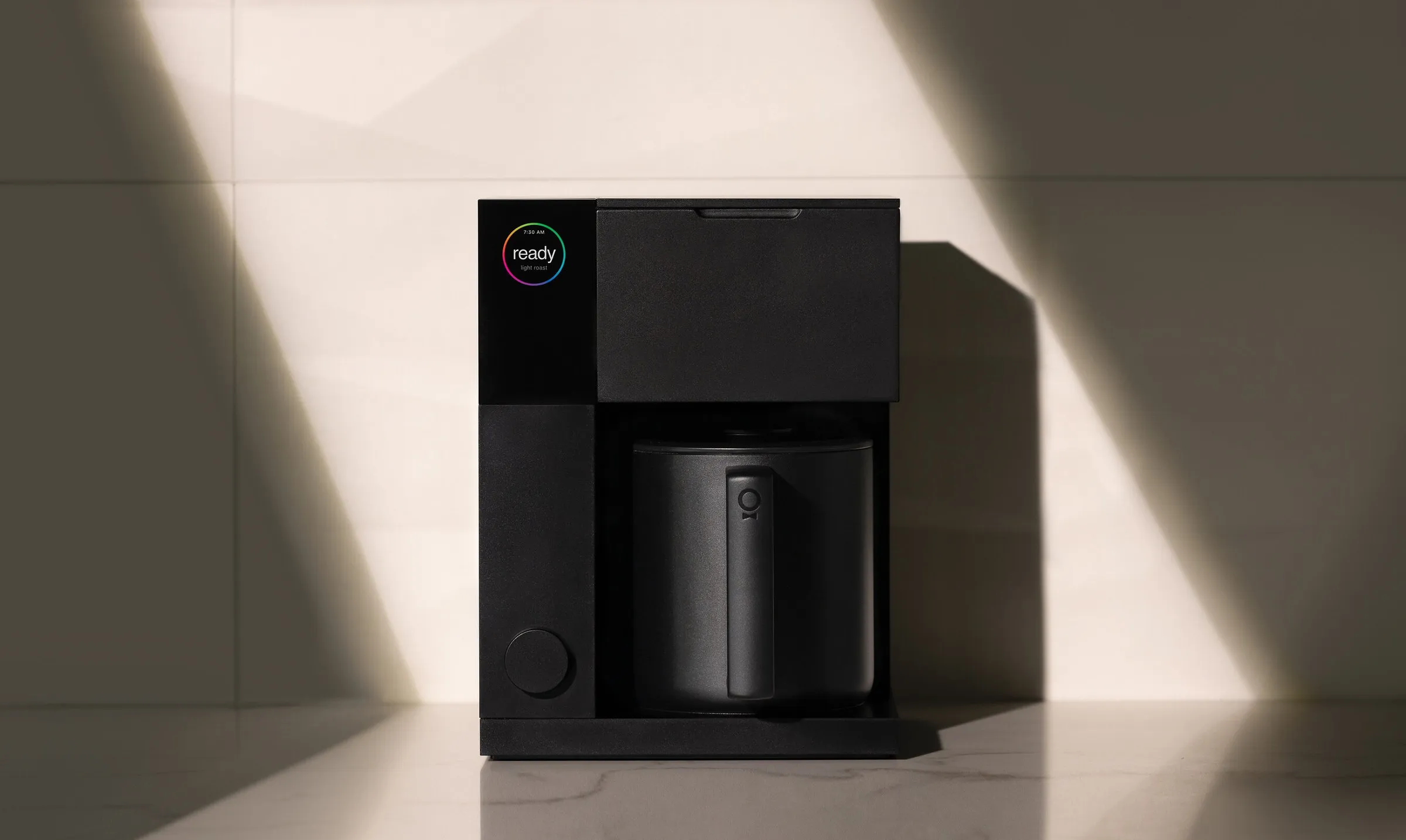
Fellow’s Aiden brings programmable temperature and water delivery to filter coffee. It allows the user to control the initial bloom, brewing temperature and subsequent pours, with presets for convenient daily use. Recipes can be adjusted and saved, and the machine prepares anything from a single serving to a full carafe. An insulated carafe keeps the finished coffee warm without a hotplate. The Aiden offers useful control over the brewing process while automating the actual preparation. Its electronic controls make it more complicated than a Moccamaster, although they also allow favourite recipes to be reproduced with considerable precision.
A complete outfit: Fellow Aiden (€415), Fellow Ode Gen 2 grinder (€350), precision scale (€80), coffee storage (€40), filters and cleaning supplies (€30). Approximately €920.
Strengths: Adjustable brewing profiles, repeatability, single-cup and batch brewing, convenient automation, insulated carafe.
Limitations: More complex than a conventional filter machine, separate grinder required, additional electronics.
AeroPress: Remarkable coffee from a simple device
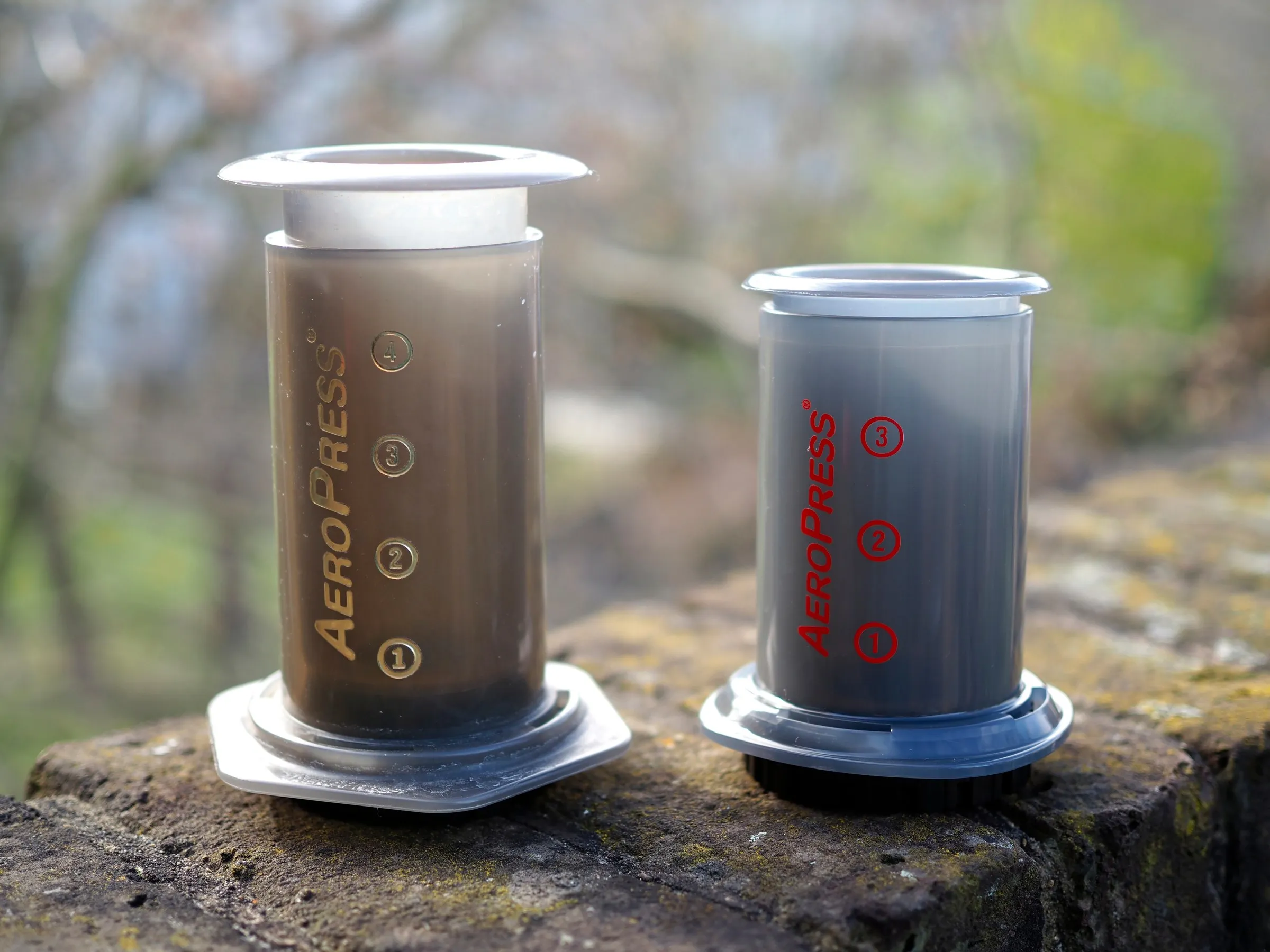
Few coffee makers offer as much control for so little money as the AeroPress. Ground coffee and hot water are combined in a cylindrical chamber before being pressed through a filter. Grind size, temperature, steeping time and the amount of water can all be varied, producing anything from a light, clean cup to a stronger, fuller-bodied drink. The AeroPress is portable, easy to clean and inexpensive. The Premium version replaces much of the original plastic construction with glass and metal, producing a more substantial object for the kitchen. Neither version makes conventional pump-driven espresso, but both are capable of excellent coffee.
A complete outfit: AeroPress Original (€40), Baratza Encore ESP grinder (€180), precision scale (€45), temperature-controlled kettle (€100), filters and accessories (€25). Approximately €390. Allow approximately €150 more for the glass-and-metal AeroPress Premium.
Strengths: Excellent value, extensive control, portable, easy to clean, easy to experiment with.
Limitations: Primarily a single-serving method, manual preparation, technique affects results, no true espresso pressure.
Cold brew: The pleasure of taking your time
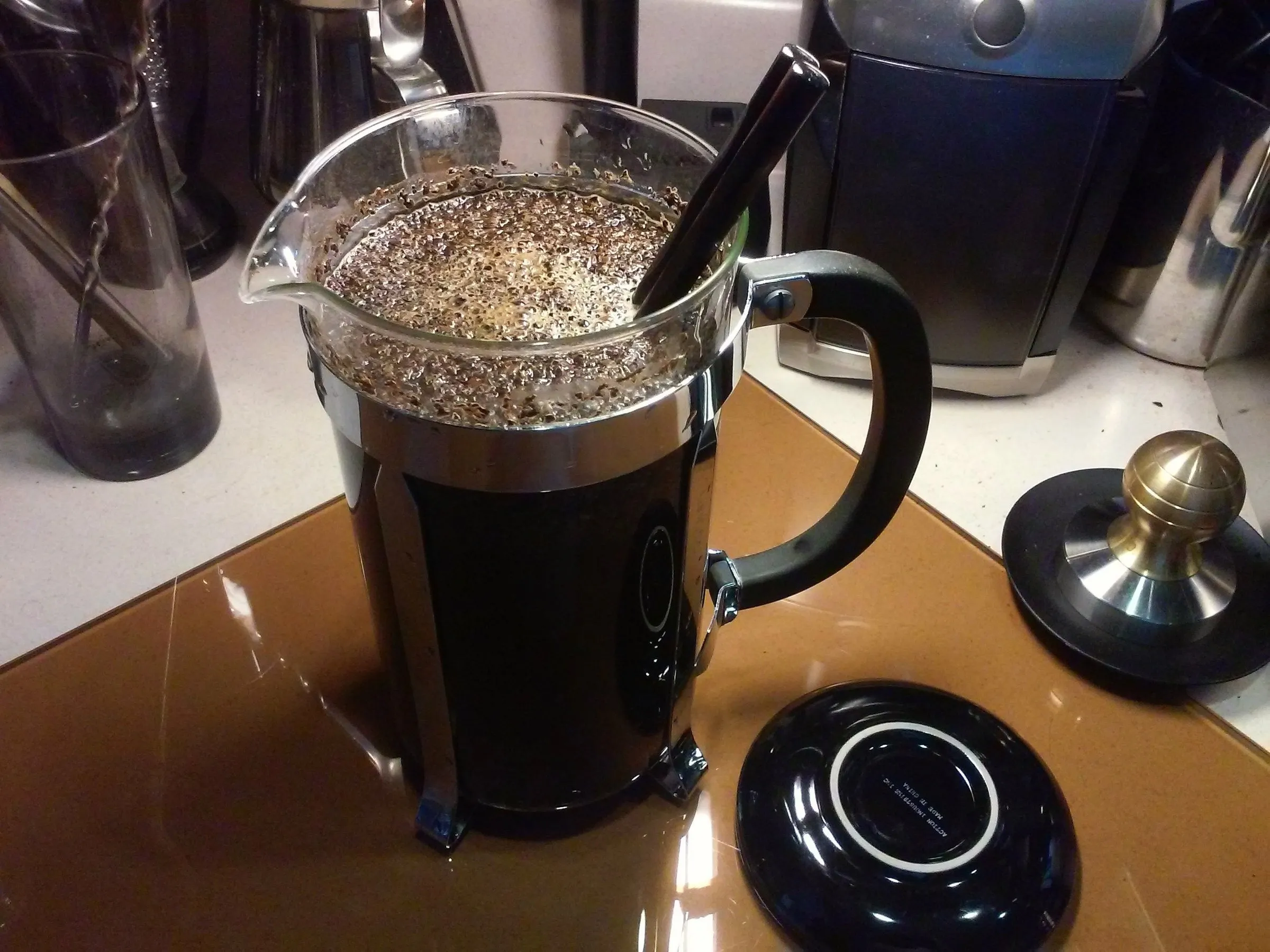
Cold brew uses a long extraction in cool water, usually over many hours. The result is often smoother and less sharply acidic in taste than hot-brewed coffee, with a different balance of extracted compounds. The equipment is simple, and a batch can be kept refrigerated for several days. Different beans, concentrations and brewing times produce noticeably different results. Cold brew is especially enjoyable in warm weather, although it requires advance preparation. It is also distinct from machines that produce chilled coffee quickly using hot extraction followed by cooling.
A complete outfit: Quality cold-brew maker (€60), Baratza Encore grinder (€150), coffee scale (€45), airtight storage bottles (€35) and filters (€15). Approximately €305.
Strengths: Simple equipment, smooth flavour profile, batch preparation, excellent for chilled coffee.
Limitations: Long preparation time, refrigerated storage, different flavour profile from hot brewing.
The perfect cup
There are several routes to excellent coffee, and the equipment can be as elaborate as its owner wishes.
The La Marzocco Linea Mini offers a beautifully constructed traditional espresso machine with precise temperature control and considerable steaming power. The Decent DE1 allows an enthusiast to investigate and reproduce almost every aspect of extraction. The Sage Oracle Jet takes much of the repetitive work out of preparing espresso, while Jura’s Z10 automates the entire process. Nespresso goes further still, delivering a consistent cup with almost no preparation.
Filter coffee has its own excellent equipment, from the dependable Moccamaster to the programmable Fellow Aiden. An AeroPress gives its owner an extraordinary amount of control for a modest investment, while cold brew offers a completely different preparation method and flavour profile.
What matters most is the result in the cup and the pleasure of making it. Fresh beans, a suitable grind and good water are worth attention whatever equipment you choose. Beyond that, the possibilities are extensive, and some of the finest machines are as enjoyable to own and operate as the coffee they produce.
The perfect cup may take thirty seconds or half an hour to prepare. Either can be time well spent.
Prices are indicative Dutch retail prices, including VAT, as of November 2026. Complete outfits are illustrative configurations rather than individual retailer quotations. The Decent estimate is particularly sensitive to configuration, exchange rates and import costs.
Sources
- The Oracle Jet, Sage Appliances
- Pixie, Nespresso
- La Marzocco and Acaia launch Brew-By-Weight scale for Linea Mini, Daily Coffee News
- DE1XL and DE1XXL, Decent Espresso
- AeroPress Premium, AeroPress
- Is your coffee too fresh?, Clive Coffee